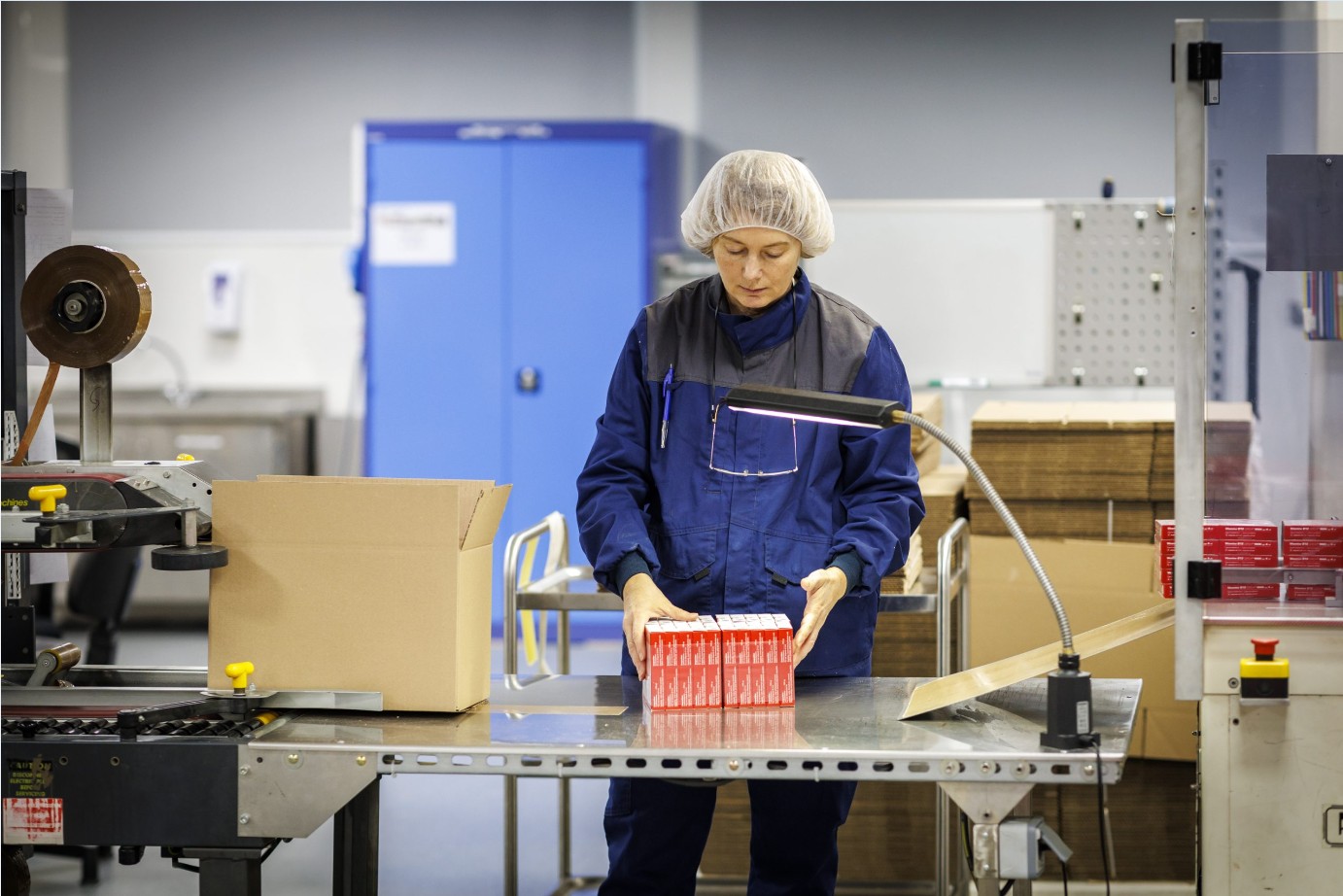
The pharmaceutical industry is under constant pressure to produce high-quality medications efficiently while minimizing waste. With rising global demand, stringent regulatory requirements, and increasing production costs, innovation has become essential for optimizing drug manufacturing processes. By leveraging cutting-edge technologies, refining production methods, and adopting sustainable practices, pharmaceutical companies can improve drug production while reducing waste.
The Need for Innovation in Drug Production
Traditional drug manufacturing methods often involve lengthy processes, excessive material use, and inefficiencies that lead to significant waste. The pharmaceutical sector generates vast amounts of hazardous and non-hazardous waste, including solvents, byproducts, and packaging materials. Inefficiencies in production can result in batch failures, delays, and increased costs, all of which negatively impact both manufacturers and consumers.
To address these challenges, pharmaceutical companies must embrace innovation in various aspects of production, including process optimization, automation, and sustainability initiatives.
Key Strategies to Improve Drug Production and Reduce Waste
1. Implementing Continuous Manufacturing
One of the most significant innovations in pharmaceutical production is the transition from batch manufacturing to continuous manufacturing. Traditional batch production involves multiple steps that require stopping and starting processes, which can lead to inefficiencies and increased waste.
Continuous manufacturing streamlines production by enabling a seamless flow of materials through automated systems, reducing processing time and raw material wastage. This approach enhances product consistency, minimizes errors, and improves overall production efficiency. Regulatory agencies, such as the FDA, have endorsed continuous manufacturing as a way to ensure high-quality drug production with reduced waste.
2. Adopting Green Chemistry Practices
Green chemistry focuses on designing environmentally friendly processes that minimize the use and generation of hazardous substances. By adopting green chemistry principles, pharmaceutical companies can reduce their environmental footprint while enhancing production efficiency.
Some key green chemistry approaches include:
- Using safer solvents and reducing solvent waste
- Developing biodegradable and non-toxic raw materials
- Implementing catalytic reactions to improve efficiency
- Optimizing reaction conditions to reduce energy consumption
Partnering with biotech process consultants can further support these efforts by identifying innovative solutions, refining manufacturing workflows, and ensuring compliance with sustainability standards. By integrating green chemistry and expert guidance into drug production, manufacturers can significantly reduce waste while fostering safer, more sustainable operations.
3. Leveraging Artificial Intelligence and Automation
Artificial intelligence (AI) and automation play a crucial role in optimizing pharmaceutical production. AI-driven analytics can help identify inefficiencies, predict potential quality issues, and recommend process improvements. Machine learning algorithms can optimize formulation development and production parameters, reducing errors and waste.
Automated systems, such as robotic process automation (RPA) and smart manufacturing technologies, enhance efficiency by:
- Minimizing human error in manufacturing and quality control
- Reducing material wastage through precise measurements
- Enhancing real-time monitoring and predictive maintenance
- Streamlining supply chain management to prevent excess inventory and expiration
By integrating AI and automation, pharmaceutical companies can achieve higher efficiency, cost savings, and reduced environmental impact.
4. Optimizing Raw Material Usage and Sourcing
Efficient raw material usage is essential for reducing waste and improving cost-effectiveness. Pharmaceutical companies can achieve this by:
- Sourcing high-quality raw materials with minimal impurities
- Implementing precision dosing techniques to reduce excess material use
- Recycling and repurposing unused materials wherever possible
- Collaborating with suppliers to implement sustainable sourcing practices
Optimizing raw material usage not only minimizes waste but also enhances the overall sustainability of drug production.
5. Enhancing Supply Chain Efficiency
Supply chain inefficiencies contribute significantly to drug production waste. Overstocking, expired materials, and logistical delays can lead to unnecessary losses. To combat this, pharmaceutical companies can:
- Utilize data analytics for demand forecasting and inventory management
- Adopt just-in-time (JIT) manufacturing to minimize excess inventory
- Improve distribution logistics to reduce transportation-related waste
- Implement digital tracking systems for real-time supply chain monitoring
A streamlined supply chain ensures that materials are used efficiently, reducing waste while meeting production demands effectively.
6. Reducing Packaging Waste
Pharmaceutical packaging contributes to a substantial amount of waste, from plastic blister packs to excess cardboard materials. To minimize packaging waste, companies can:
- Adopt eco-friendly and biodegradable packaging materials
- Optimize packaging design to use fewer materials
- Implement reusable or recyclable packaging solutions
- Encourage regulatory bodies to support sustainable packaging alternatives
By rethinking packaging strategies, pharmaceutical manufacturers can significantly cut down on waste while maintaining product integrity and compliance.
The Future of Sustainable Pharma Manufacturing
As the pharmaceutical industry continues to evolve, embracing innovative approaches will be critical to improving drug production and minimizing waste. Companies that invest in advanced manufacturing techniques, AI-driven efficiencies, and green chemistry will not only reduce their environmental impact but also enhance profitability and compliance.
Regulatory agencies and consumers alike are increasingly prioritizing sustainability, pushing pharmaceutical companies to adopt responsible manufacturing practices. By integrating these innovations, the industry can ensure the production of life-saving medications in a more efficient, cost-effective, and environmentally friendly manner.
In Conclusion
Innovation in pharmaceutical manufacturing is no longer optional—it is essential for meeting global healthcare demands while maintaining sustainability. By adopting continuous manufacturing, green chemistry, AI automation, optimized raw material sourcing, supply chain efficiency, and sustainable packaging, pharmaceutical companies can improve drug production while reducing waste.
The future of pharma lies in embracing technology and sustainability, ensuring that medications are produced efficiently without unnecessary waste. Through these advancements, the industry can continue to provide high-quality healthcare solutions while protecting both the environment and its bottom line.