A strong U.S. work visa case is not simply a long résumé with impressive names attached. It is a focused explanation of what an applicant has accomplished, why those accomplishments matter in a defined field, and how the planned U.S. work follows naturally from that record. For professionals exploring an extraordinary ability pathway, clarity is often as important as the underlying accomplishments.
Researchers, founders, executives, educators, artists, athletes, and technical specialists may all have evidence that supports a petition. The challenge is turning separate records, such as awards, publications, contracts, press coverage, leadership roles, or performance data, into one accurate story that an unfamiliar reviewer can follow.
Why Clear Evidence Matters
Achievements do not explain themselves. A publication list, for example, may show productivity, but supporting information can show whether the work was cited, adopted, recognized, or influential in the relevant field. The same principle applies to business growth, team awards, media mentions, and job titles. A well-prepared case explains the significance of each item instead of expecting the reviewer to infer it.
Think of the filing as a guided record rather than a document warehouse. Each exhibit should answer a practical question: What happened, when did it happen, what was the applicant’s role, and why does it matter?
Define the Professional Field
A specific professional field gives the case structure. Broad labels such as “technology leader” or “business professional” can make it harder to understand the applicant’s expertise. A clearer description might identify the work itself, such as machine-learning research for medical imaging, sustainable supply-chain strategy, elite coaching, or product leadership in financial software.
Start with three questions:
- What problem or outcome does the professional’s work address?
- Which industry, discipline, or community recognizes that work?
- What related duties or projects are planned in the United States?
Build an Evidence Map
An evidence map prevents important records from becoming disconnected. The current USCIS guidance for O-1 petitions can help applicants identify the governing framework, but each filing still needs evidence tailored to the individual’s field and circumstances.
A simple way to map the record
- Achievement: Identify the award, publication, leadership role, project, or distinction.
- Proof: Gather the original record, independent article, employer letter, public database entry, contract, or institutional document.
- Meaning: Explain the selection process, scale, audience, result, or professional relevance.
Group related evidence together. For instance, a researcher’s publication, citation record, peer-review history, and independent letters may reinforce one another. A founder may group product adoption, funding announcements, customer evidence, and leadership documentation. This approach also reveals gaps, including unclear dates, missing translations, or claims supported only by the applicant’s own description.
Show Real-World Impact
Concrete results can make a professional record easier to evaluate. Useful records may include independently reported revenue connected to a project, research citations, product deployment records, competition rankings, patents, major institutional clients, or reputable media coverage. The best evidence is specific, dated, and traceable to a reliable source.
Company success is not automatically personal recognition. When an accomplishment involved a team, explain the applicant’s individual contribution with precise language. State what the person designed, led, discovered, negotiated, built, coached, or managed, and support that account with records from people or organizations able to verify it.
Connect Past Work to Future Work
The planned U.S. work should make sense in light of the established record. A proposed role becomes clearer when a contract, itinerary, offer, project plan, or statement of duties explains what the professional will do and why their background is relevant. A founder’s plan should identify the company’s work and the founder’s responsibilities. An executive’s description should show specialized leadership rather than routine management.
Use a two-sentence test. First, summarize the applicant’s demonstrated expertise. Second, explain how the U.S. role uses that same expertise. If the connection is difficult to state, the plan or evidence may need refinement.
Organize Supporting Documents
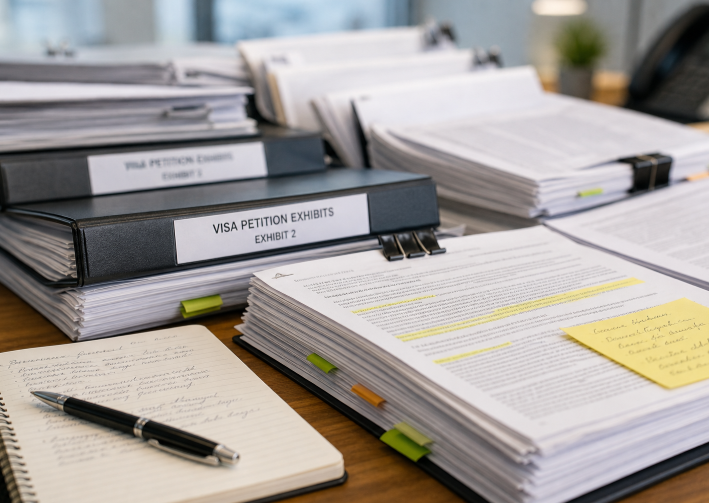
The organization reduces avoidable confusion. Prepare a master career summary, then create a dated list of major achievements. Collect original records, obtain accurate translations when necessary, and label every exhibit with a useful title. Names, job titles, dates, company descriptions, and project details should remain consistent across the filing.
Different fields require different supporting records. Researchers may emphasize publications, citations, peer review, and institutional recognition. Founders may focus on product use, investment, press coverage, and documented leadership. Athletes and artists may rely more heavily on rankings, critical coverage, awards, major events, and contracts.
Avoid Common Case Weaknesses
- Generic letters that praise the applicant without explaining firsthand knowledge or specific achievements.
- Awards submitted without evidence of the award’s criteria, scope, or selectivity.
- Broad claims that lack dates, numbers, context, or independent support.
- Evidence describing an employer’s accomplishments, not the applicant’s role.
- Unexplained gaps or conflicting details in the professional history.
- Large volumes of repetitive documents that do not advance the central narrative.
Prepare for Government Review
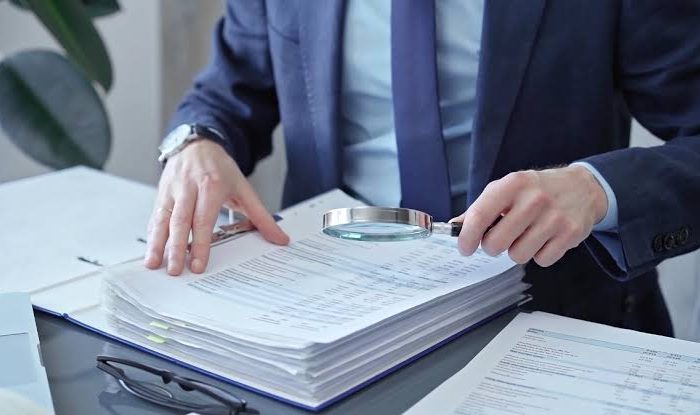
Before filing, write a plain-language summary that identifies the field, the strongest evidence, and the proposed U.S. work. Then review the package for accuracy, consistency, relevance, independent corroboration, and clear exhibit labels. A persuasive presentation does not require exaggeration. It requires a complete record that is easy to verify and difficult to misunderstand.
Plan Around Filing Changes
Immigration forms, fees, filing addresses, processing procedures, and consular practices can change. Confirm current requirements shortly before submission, and distinguish petition processing from the separate visa application process that may be required for travel. The temporary employment visa process also depends on the applicant’s circumstances and the stage of the case.
Build time for obtaining letters, translations, institutional records, and corrected documents. Older blog posts and forum discussions can be useful for general context, but they should not replace current government instructions or individualized legal advice.
Use a Final Filing Checklist
- Is the professional field defined in clear, specific terms?
- Does every major claim have reliable supporting evidence?
- Do the proposed duties connect directly to the established record?
- Are all documents accurately dated, translated when needed, and consistently labeled?
- Does the filing explain the applicant’s personal role in team achievements?
- Have current filing instructions been checked before submission?
- Can a reviewer understand the case without making assumptions?
Conclusion
A clear work visa case is more than a collection of accomplishments. It is a well-organized explanation of professional expertise, credible recognition, documented impact, and planned work in the United States. Careful preparation helps ensure that the record accurately presents the applicant’s achievements in a form that is easier to review.