
Choosing a vehicle now involves more than selecting a body style, color, or monthly payment. Gas-powered, hybrid, plug-in hybrid, and battery-electric vehicles each fit different routines, budgets, and travel needs. Before shopping, Learn More about the available options and focus on the one that works for your day-to-day life. The right powertrain should make ownership easier, not add complications. Your weekly mileage, parking situation, access to charging, road-trip habits, and expected ownership period all matter more than broad claims that one type of vehicle is best for everyone.
Why Powertrain Choice Matters
Powertrain choice affects what you pay to drive, how you maintain the vehicle, and how easily it fits into your schedule. A driver who covers many highway miles may prioritize quick refueling and range. Someone with a predictable commute and overnight parking may place more value on electric driving. Start with your habits, then compare vehicles that meet them.
Comparing the Four Main Powertrain Types
Gas-Powered Vehicles
Gas vehicles are familiar, quick to refuel, and convenient for irregular schedules or frequent long-distance travel. They may have a lower upfront price than comparable electrified models, though fuel and engine-related maintenance can add up over time.
Traditional Hybrid Vehicles
Traditional hybrids use a gasoline engine and electric motor without requiring routine plug-in charging. They can be especially efficient in stop-and-go traffic and suit drivers who want improved fuel economy while keeping the usual refueling routine.
Plug-In Hybrid Vehicles
Plug-in hybrids can handle shorter trips on electricity and rely on gasoline for longer drives. They work best when charging is convenient on most days. Without regular charging, their added cost and complexity may provide less benefit.
Battery-Electric Vehicles
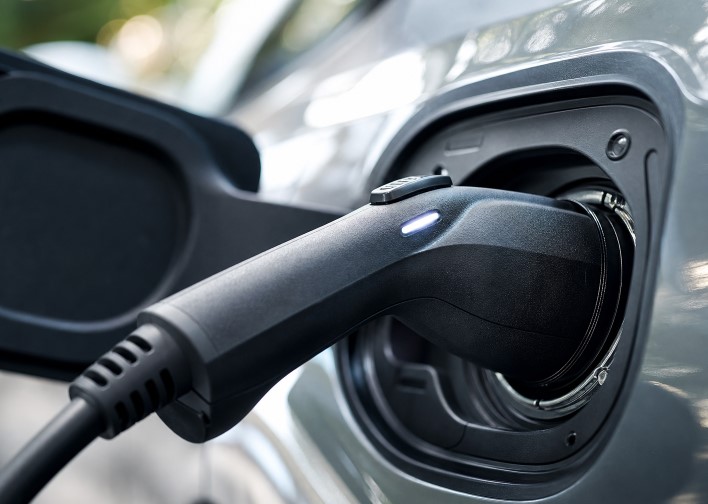
Battery-electric vehicles use electricity instead of gasoline and avoid oil changes and many engine services. They require dependable charging at home, work, or along regular routes, plus more careful planning for longer trips.
Match the Vehicle to Daily Driving Habits
Review a typical week before narrowing your options. Consider the following questions:
- How many miles do you drive on an average weekday?
- How often do you take trips beyond your normal driving area?
- Can you park overnight where charging is possible?
- Do you have workplace charging or dependable public chargers nearby?
- Will you tow, carry heavy cargo, or regularly transport several passengers?
- How long do you plan to keep the vehicle?
A steady commute with home charging can make an EV practical. A household that often takes unplanned road trips may prefer a hybrid or gas vehicle. A driver with short weekday trips and occasional longer travel may find a plug-in hybrid offers a useful middle ground.
Calculate the Total Cost of Ownership
The purchase price is only one part of the budget. Compare three-year and five-year estimates that include the down payment, loan or lease costs, fuel or electricity, insurance, tires, routine maintenance, possible home-charger installation, and expected resale value. Buyer priorities differ widely. In a 2026 survey, Americans were more likely to seriously consider a hybrid than an EV, underscoring how factors like charging access, location, age, and current driving experience can shape purchase decisions. A higher-priced vehicle can still be the better long-term value if its energy and service costs are lower, but savings should be calculated rather than assumed. Request ownership estimates for similarly equipped vehicles and compare the numbers using your expected annual mileage.
Review Charging and Refueling Needs
Filling a gas tank generally takes minutes, while charging can take several hours at home or a shorter fast-charging stop. Neither approach is automatically better. The practical answer depends on where you park, when you drive, and whether charging fits naturally into your routine.
- Confirm whether home charging is available and permitted.
- Determine whether a standard outlet meets your needs or if a faster charger is necessary.
- Check charger availability along regular errands and travel routes.
- Consider how often public fast charging would be needed.
Traditional hybrids avoid most charging concerns. Plug-in hybrids and EVs ask more of the owner upfront, but daily driving can be simple with reliable home charging.
Consider Weather, Commutes, and Road Trips
Temperature, hills, traffic, passengers, cargo, and towing can change real-world efficiency. Cold weather can reduce EV range and increase the energy needed for cabin heat. Heavy loads and high speeds also affect both fuel economy and electric range. Before buying, follow the expert advice on choosing a reliable hybrid, including reviewing warranty terms, taking a meaningful test drive, and comparing advertised efficiency with your own driving conditions.
- List the longest trips you take in a normal year.
- Map likely fuel stops or charging locations.
- Allow time for breaks, weather, traffic, and detours.
- Choose a vehicle with a comfortable range or refueling margin.
Check Maintenance and Service Needs
No vehicle is maintenance-free. Gas vehicles need oil changes and engine-related service. Hybrids still use gasoline engines, while plug-in hybrids combine electric components with many conventional systems. EVs skip oil changes but still need tire rotations, brake inspections, suspension checks, and battery-system service when required. Review battery coverage, roadside assistance, and local service availability before signing paperwork.
Test-Drive and Compare Vehicles
Limit the final list to two or three vehicles that fit your budget. Drive each on city streets and highways, check visibility and seat comfort, test cargo access, and try the controls without rushing. Bring a child seat, work bag, sports equipment, or other items you regularly carry. A vehicle that looks suitable online may feel too small or inconvenient in daily use.
Common Questions From Car Shoppers
Is a hybrid better than a gas vehicle?
A hybrid can be a strong choice for drivers who want better fuel economy without changing refueling habits. Whether it is better depends on the price difference, annual mileage, traffic conditions, and ownership length.
Is an EV good for long trips?
An EV can handle long trips when charging locations, weather, range, and stop times suit the route. Plan around realistic conditions rather than relying solely on the advertised range.
Does a plug-in hybrid need daily charging?
It can continue on gasoline when the battery is depleted, but frequent charging is needed to capture the greatest electric-driving benefit.
Which powertrain costs the least to maintain?
EVs often have fewer engine-related services, but tires, brakes, suspension, and inspections still apply. Compare warranty terms and local service costs for the specific vehicle.
Final Thoughts
The best vehicle powertrain fits your budget, schedule, parking setup, driving distance, and comfort level. Gas, hybrid, plug-in hybrid, and electric vehicles all offer meaningful strengths and trade-offs. Consider fuel or charging costs, maintenance needs, long-distance travel, available charging access, and expected ownership time before deciding. A careful comparison based on real-life driving habits can help you choose with confidence, control long-term expenses, and avoid unexpected challenges after the purchase.