
The journey toward lifelong wellness begins with a place many overlook: the mouth. Oral hygiene forms the foundation for a healthy lifestyle, with far-reaching effects that go well beyond white teeth or fresh breath. Brushing and flossing are common pieces of advice, but consistently focusing on the importance of mouth care can have a significant impact on your overall well-being.
Research has consistently demonstrated that dental health has a direct impact on other parts of the body. The mouth is often referred to as the window to overall health, as it reveals signs of nutritional deficiencies, systemic diseases, or chronic inflammation before other symptoms are noticed. Periodontal disease, for example, is closely linked with conditions such as cardiovascular disease, diabetes, and respiratory infections. This happens because bacteria and inflammation in the mouth can travel through the bloodstream, influencing organs and body systems far beyond the teeth and gums. An intense oral hygiene routine doesn’t just protect your mouth—it may safeguard your heart, support metabolic health, and even play a role in immune function.
The Building Blocks of an Effective Oral Hygiene Routine
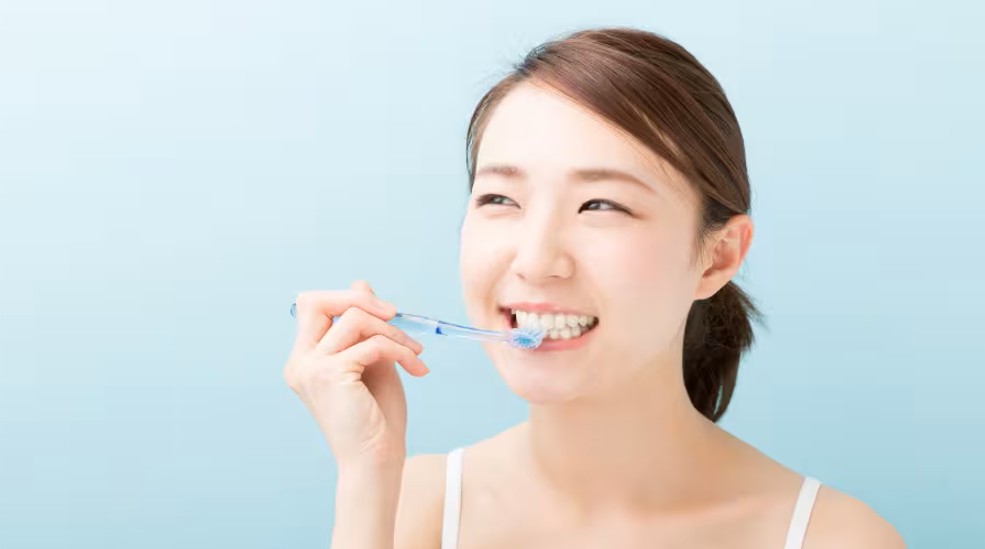
Building a lasting oral care routine may seem simple. Still, its benefits depend on daily consistency, proper technique, and an understanding of the importance of mouth care for overall health. Dentists recommend brushing twice daily with fluoride toothpaste, as fluoride helps remineralize weakened enamel and prevents cavities. Use a soft-bristled toothbrush and gently apply circular motions, ensuring you reach all surfaces of each tooth and along the gumline. Flossing once per day is equally important, as it removes plaque that brushing alone can’t reach—between teeth and under the gums, where decay and gum disease often start.
Don’t overlook the power of adjunct products: antimicrobial or fluoride rinses can target bacteria and offer an extra line of defense, especially if you have a higher risk of cavities or gum disease. Dental professionals also recommend replacing your toothbrush every three to four months, or sooner if the bristles become frayed. Choosing products that carry the ADA Seal of Acceptance ensures they meet safety and effectiveness standards, helping you feel confident about your daily routine. Prioritizing mouth care not only helps prevent dental issues but also supports your overall well-being, as a healthy mouth is linked to a healthier body. Taking these steps as a habit, rather than an exception, reinforces your health and encourages long-term success.
Long-Term Benefits of Practicing Good Mouth Care
A solid oral hygiene routine provides lifelong protection. By minimizing plaque buildup and preventing gum disease, individuals can preserve natural teeth well into their senior years, leading to easier eating, clearer speech, and higher self-esteem. Beyond the mirror, studies show that chronic oral inflammation contributes to broader health complications, including diabetes and heart disease. According to the CDC’s insights on oral health conditions, maintaining a healthy mouth can directly reduce your risk of these chronic illnesses.
Confidence is another unsung benefit. When people are proud of their smile, they often feel more confident in social interactions, professional presentations, and daily life. Mental health is closely linked to physical health, and tooth pain, missing teeth, or gum problems can affect mood, self-image, and even willingness to interact with others. Protecting your smile means protecting your sense of self.
Common Obstacles to Oral Health and How to Overcome Them
Even with all the knowledge in the world, following through on healthy dental habits is easier said than done. Life gets busy, and work or school can push oral care routines to the back burner. For some, anxiety about visiting the dentist can lead to postponed appointments and worsening dental problems over time. Others may have limited access to care, face financial barriers, or struggle to fit preventive visits into their schedules.
The good news is that overcoming these barriers can be achieved with practical steps. Preparing healthy snacks in advance and carrying a travel-sized toothbrush or floss can encourage better choices during busy days. Mobile phone reminders or visual cues in your bathroom can prompt better consistency. For those having trouble finding affordable care, look for community dental clinics, school-based dental programs, or free dental events in your area. Scheduling dental visits every six months keeps minor problems from turning into significant (and more expensive) issues, and regular checkups lead to more comfort and confidence over time.
Mouth Care Across the Lifespan: What to Know at Every Age
Oral health needs evolve from childhood through the retirement years, and adapting care to each life stage is critical for lifelong wellness. Children benefit when parents and caregivers help them establish good brushing and flossing habits early, making oral care a positive part of the daily routine. Pediatric dentists recommend that dental visits begin by age one, which can help identify issues before they become serious and provide guidance on topics such as thumb-sucking and early cavity prevention.
Adolescents and teens face new challenges—wisdom teeth, braces, and sports injuries can all affect oral health. Adults must stay vigilant against gum disease, be proactive about regular dental cleanings, and manage stress-related issues, such as teeth grinding. As we age, dry mouth caused by medications, receding gums, or the use of dentures can present new hurdles. Seniors should consider using special fluoride rinses or prescription toothpaste to protect against root decay, and stay diligent about regular checkups to help preserve their healthy teeth and gums for as long as possible.
Nutrition and Lifestyle Habits for Oral Health
What you eat and drink every day plays a surprisingly influential role in protecting—or harming—your teeth and gums. Crunchy vegetables, calcium-rich cheese, and fiber-filled fruits like apples naturally clean teeth, provide essential nutrients, and stimulate healthy saliva flow, which helps wash away food particles and neutralize acids. The intake of sugary or acidic foods should be limited, as sugar feeds the bacteria that cause decay. At the same time, acids can erode enamel, making teeth more sensitive and increasing their susceptibility to cavities. According to the National Library of Medicine, dietary choices have a significant impact on oral health, highlighting the importance of consuming nutrient-dense foods and the risks associated with excessive sugar and acid exposure.
Habits such as tobacco use and excessive alcohol consumption are major risk factors for oral diseases, including gum problems and certain cancers. Hydration is just as important as brushing—a dry mouth not only feels uncomfortable but can invite bacteria that lead to decay.
How Technology Is Shaping the Future of Mouth Care
The dental landscape is undergoing rapid change, thanks to new technologies and innovative products. Smart toothbrushes utilize sensors to monitor brushing habits and provide feedback, enabling individuals to ensure they clean every tooth effectively. Dental apps send reminders, track dental appointments, and provide educational resources, empowering users to take control of their oral health.
Advances in tele-dentistry are breaking down traditional barriers, offering virtual consultations and follow-ups that reduce travel time and increase access to care, especially in rural or underserved areas. Custom mouthguards, at-home whitening kits, and water flossers all make it easier for individuals and families to maintain healthy teeth between dental visits. Even more promising, emerging dental technology is developing tools that can predict risks or identify problems before they become visible, making preventive care even more proactive and personalized.
Steps to Start Prioritizing Your Oral Wellness Today
- Brush your teeth twice a day for a full two minutes, using a fluoride toothpaste.
- Floss every day, ensuring a gentle clean below the gumline and between each tooth.
- Opt for snacks that nourish your teeth—such as cheese, fresh vegetables, and nuts—over sugary or acidic options.
- Protect your teeth with a mouthguard during sports and avoid risky habits such as smoking or chewing ice.
- Use digital reminders, calendar appointments, or mirror notes to consistently reinforce positive routines.
- Schedule regular professional cleanings and checkups to catch issues early and receive expert guidance when needed.
Investing in your oral health doesn’t require perfection—it’s about steady, mindful choices and learning as you go. Every effort, big or small, builds a foundation for not only a healthy mouth but also a healthier body, greater confidence, and an overall sense of well-being that lasts a lifetime.