
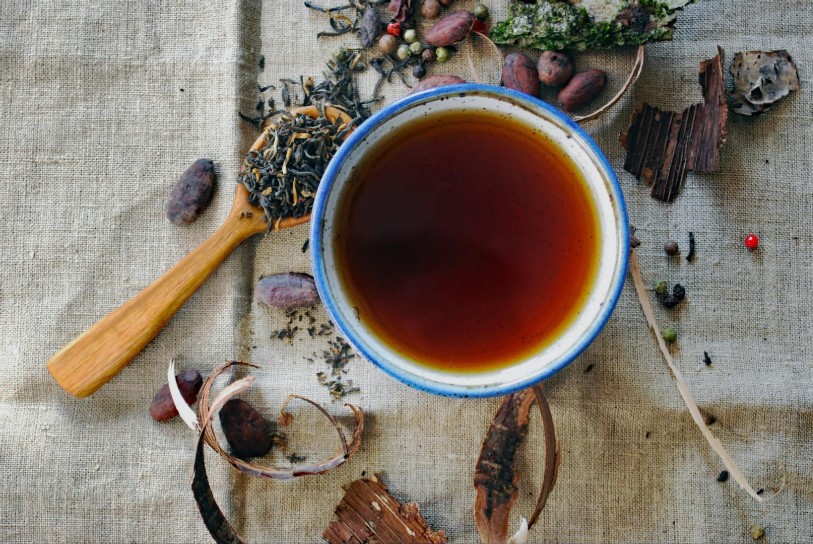
Earl Grey tea is a quintessential British beverage known for its distinct taste that has charmed tea lovers around the world. Its unique flavor, characterized by a fine blend of tea leaves and the essence of bergamot orange, makes it a standout choice among tea varieties. The experience of sipping Earl Grey combines the robustness of black tea with the aromatic, citrusy flair of bergamot.
Understanding the nuances behind the taste of Earl Grey tea can enhance enjoyment and appreciation for this classic drink. Below, we’ll unpack what makes Earl Grey so special, compare it to other teas, and offer tips on the best food pairings to truly savor its flavor.
Unveiling the Flavor Profile of Earl Grey Tea
Earl Grey tea features a distinctive flavor profile that blends the robust, full-bodied character of black tea with the bright, aromatic essence of bergamot orange oil. This combination produces a refreshing, slightly floral taste with a citrus-forward aroma that enhances the depth of the tea.
Many tea drinkers note mild sweetness and tangy notes reminiscent of lemon or grapefruit, influenced by the intensity of the bergamot. Traditional Earl Grey commonly uses bold black tea bases such as Keemun or Ceylon to balance the strong citrus flavor, though green and herbal variations offer lighter or caffeine-free alternatives. Proper brewing, using hot but not boiling water and steeping for three to five minutes, helps preserve its balanced and smooth flavor.
Distinctive Ingredients That Define Earl Grey’s Taste
The signature ingredient that defines the taste of Earl Grey tea is bergamot oil, which is extracted from the rind of the bergamot orange, a fragrant citrus fruit originally from Italy. This essential oil imparts the distinctive floral-citrus flavor that uniquely identifies Earl Grey among other teas. The quality and amount of bergamot oil used can significantly influence the intensity and nuance of the tea’s flavor.
Bergamot isn’t the only variable that can alter the taste of Earl Grey. The type of black tea used as the base can range from Chinese to Indian to African teas, each contributing a different taste profile from malty to earthy or smoky. These variations in the tea blend can change the overall tasting experience, with subtleties that might be evident to seasoned tea drinkers.
For those aspiring to blend their own Earl Grey, selecting a high-quality black tea and combining it with pure bergamot oil, rather than synthetic flavorings, will result in a more authentic and satisfying taste. Personal preference determines the preferred strength of bergamot, so experimenting with quantities can help create a custom blend that delights the palate.
Comparing Earl Grey with Other Popular Tea Varieties
Earl Grey holds a distinctive position on the tea spectrum when compared to other popular teas like green tea or oolong. Green tea is known for its lighter, grassier notes and oolong for its diverse flavor profiles ranging from sweet and floral to deep and toasty. Earl Grey’s bold flavor, accented with citrus, is a hallmark that sets it apart from these other types, offering a different type of refreshment.
In contrast to herbal teas, which can be caffeine-free and encompass a wide range of floral and fruity tastes, Earl Grey contains caffeine and has a more focused flavor profile centered on the black tea and bergamot combination. The presence of caffeine makes it a favored morning beverage or afternoon pick-me-up for many tea drinkers.
Exploring the world of tea will highlight Earl Grey’s unique place. Tasting it alongside other varieties can be an enlightening experience, helping to distinguish its individual characteristics and highlighting why it has such a dedicated following.
Pairing Food with Earl Grey for Enhanced Taste Experience
Pairing Earl Grey tea with the right food can elevate the tea-drinking experience, allowing the flavors to complement and enhance each other. Traditional English treats like scones, clotted cream, and jams are customary accompaniments that play well with Earl Grey’s citrusy undertones. The richness of the clotted cream and the sweetness of the jams provide a perfect counterpoint to the tea’s tartness.
For a savory twist, Earl Grey can also be paired with strong, aged cheeses or a light lemony dessert that echoes its citrus notes. Chocolate, particularly dark varieties, is another excellent partner for Earl Grey, where the bitterness of the chocolate contrasts beautifully with the bergamot flavor.
As a general guideline, selecting foods with flavors that either harmonize or contrast with the bergamot will ensure a delightful pairing. Experimentation can lead to surprising and delicious combinations, enhancing the overall sensory joy of Earl Grey tea.
Ultimately, the taste of Earl Grey tea is a symphony of boldness and subtlety, with bergamot playing the lead melody. Its distinctive flavor makes it a treasure among teas, and its versatility with food pairings only adds to its charm. Whether you are a longtime Earl Grey enthusiast or new to this classic blend, exploring its depths can be as satisfying as the tea itself.