Basement windows may be smaller than windows in other parts of a house, but they still play an important role. They bring in natural light, provide ventilation, limit drafts, and create another barrier against rain and outdoor moisture. When older basement windows begin to fail, the effects may show up through uncomfortable temperatures, damp areas, difficult operation, or visible damage.
Basement window replacement becomes worth considering when repairs no longer solve recurring problems or when older windows no longer meet the needs of a finished basement. Newer products offer better glass, stronger seals, improved frame materials, and several operating styles. Knowing what signs to watch for and what affects the cost makes planning the project much easier.
Signs Your Basement Windows Need Replacing
Old windows don’t always fail suddenly. Problems often develop gradually, so routine inspection is worthwhile.
Start with the glass and frame. Cracked glass is an obvious concern, but warped frames, rust, rotting material, and separating joints also deserve attention. A window that no longer sits correctly within its opening may allow water or outdoor air to enter.
Drafts are another common clue. Move your hand slowly around the edges of a closed basement window on a windy day. Noticeable air movement may point to worn seals or gaps around the frame.
Condensation between panes is another warning sign. Moisture trapped between layers of glass often indicates a failed insulated glass seal. Once that seal is damaged, the window may no longer perform as intended.
Recurring leaks deserve closer attention. Water stains, damp framing, peeling paint, or moisture around the opening may point to problems with the window, exterior drainage, the window well, or the surrounding foundation.
When several of these problems appear together, basement window replacement may be more practical than continuing with small repairs.
Don’t Ignore Drainage Around The Window
A leaking basement window isn’t always caused by the window itself. Since basement windows sit close to ground level, they’re exposed to runoff, soil moisture, leaves, and debris.
Check the area outside during or shortly after rainfall. Water shouldn’t collect against the glass or frame. Window wells should drain properly rather than becoming miniature swimming pools every time a storm rolls through.
Grading also matters. Soil that slopes toward the building may direct rainfall toward basement openings. Damaged window well covers, clogged drains, deteriorated sealant, or gaps around the frame may add to the problem.
Identifying the source before replacing the window reduces the risk of installing a new unit while leaving the original moisture problem untouched.
What Affects The Replacement Cost
No single price fits every basement window project. Several factors affect the cost.
Window size is one of the biggest variables. Replacing a standard window within the existing opening is generally more straightforward than enlarging an opening for a larger window.
The selected material also changes the price. Vinyl, fiberglass, composite products, and other frame materials vary in cost, maintenance needs, and performance.
Glass packages matter too. Double-pane glass, low-emissivity coatings, insulated glazing, and upgraded energy-performance ratings may cost more than basic options.
Labor also varies according to the existing opening. Removing an older unit from masonry may involve a different process than replacing a window within a framed wall. Rot, corrosion, deteriorated concrete, or other damage around the opening may require additional work before installation begins.
A basement window replacement estimate should clearly explain the product, removal work, installation, sealing, finishing, and any repairs included in the price. Comparing the full scope gives a more useful picture than comparing the final dollar amounts alone.
Modern Basement Window Options
Basement windows have moved far beyond the basic steel-framed models found in many older buildings. Today’s choices cover several styles and materials.
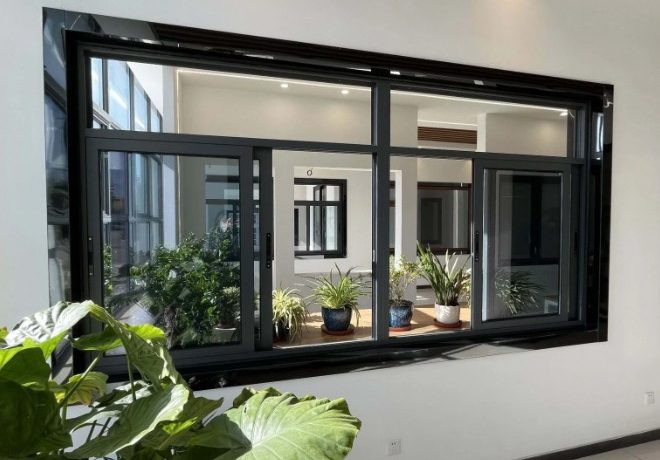
Sliding windows move horizontally and work well where vertical clearance is limited. Hopper windows usually open inward from the top, allowing ventilation within a compact opening. Awning models typically open outward and may work well in certain basement layouts.
Casement windows are another possibility. These hinged windows open outward and often provide a wide clear opening when fully opened. Fixed windows don’t open, making them suitable for locations where you want daylight but don’t need ventilation.
The right style depends on the opening dimensions, how the basement is used, exterior clearance, ventilation needs, and applicable building requirements.
Look Closely At Energy Performance
Basements often feel cooler than upper floors because much of the space sits below grade. Windows with poor seals or inefficient glass may add another source of heat transfer.
Modern windows use several features to improve energy performance. Multiple panes create insulating spaces between interior and exterior surfaces. Low-emissivity coatings manage heat transfer while still allowing daylight through.
Two ratings are especially useful when comparing windows. U-factor describes how readily heat passes through a window. Lower U-factor ratings generally indicate greater resistance to heat transfer. Solar Heat Gain Coefficient, commonly shortened to SHGC, measures how much solar heat passes through the product.
The U.S. Environmental Protection Agency’s ENERGY STAR program states that certified residential windows are independently tested and must meet energy-efficiency criteria suited to specific climate zones. Its guidance also suggests comparing U-factor and SHGC when selecting products for a particular climate.
Think About Safety And Egress
Basement windows may serve another purpose beyond light and ventilation. In certain finished spaces, local building codes may require emergency escape and rescue openings.
This issue becomes especially important when a basement includes a bedroom or sleeping area. Window size alone doesn’t determine compliance. Clear opening dimensions, sill height, window well dimensions, and accessibility may all matter.
Anyone renovating a basement should review local building requirements before changing an existing opening. Local codes may differ, and structural changes sometimes require permits or additional construction work.
Planning these details early reduces the risk of choosing a window that doesn’t fit the room’s intended use.
Choosing A Frame Material
Frame material affects appearance, maintenance, insulation, durability, and price.
Vinyl is common because it requires little routine maintenance and comes in many sizes and configurations. Fiberglass offers good dimensional stability and strength. Composite products may combine several materials to provide different performance characteristics.
Basement conditions should guide the choice. Moisture exposure deserves extra attention, particularly in spaces that have experienced leaks or high humidity.
Instead of selecting a material based on price alone, compare how each option fits the climate, opening, maintenance expectations, and planned use of the basement.
What Happens During Installation
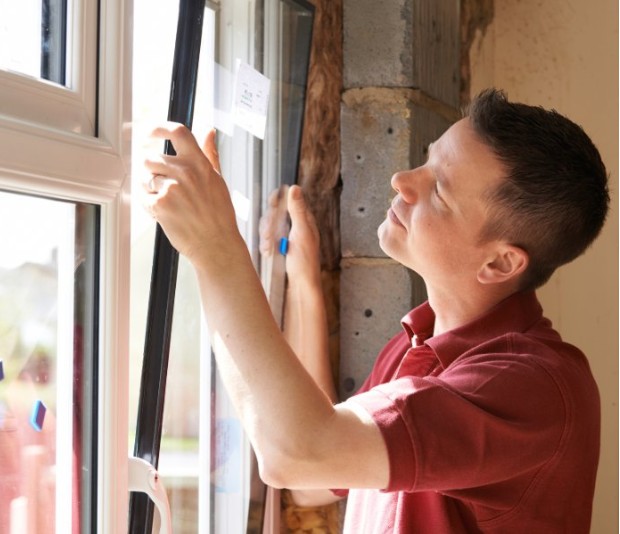
Installation usually begins with removal of the existing sash, frame, or complete window assembly. After removing the old material, the installer may inspect the exposed opening for water damage, decay, gaps, or structural concerns.
The team then positions the replacement unit in the prepared opening and secures it according to the product requirements. Insulation and sealants are added around the perimeter to limit air and water infiltration. Interior and exterior finishing work follows.
A straightforward basement window replacement using the existing opening may involve relatively limited changes. Enlarging an opening, converting to an egress window, repairing damaged masonry, or installing a new window well may require considerably more work.
Proper installation matters just as much as the window itself. A high-performance product placed in a poorly prepared or poorly sealed opening may still develop drafts or moisture problems.
Questions Worth Asking Before You Buy
Before selecting a window, ask about the entire project rather than focusing only on style.
Find out which window type fits the existing opening and basement layout. Ask about U-factor, SHGC, glazing choices, frame materials, warranties, and maintenance requirements.
If moisture has appeared around the old window, ask where the water is coming from. Replacing damaged materials without dealing with drainage may lead to another round of problems later.
Also confirm what the estimate includes. Removal, disposal, installation materials, exterior sealing, interior trim, window well work, masonry repairs, and permit-related work may be priced differently.
A detailed conversation before installation makes the project easier to understand and limits surprises once work begins.
Making The Right Upgrade
Basement windows often spend years quietly doing their job until drafts, leaks, damaged frames, or cloudy glass finally draw attention. Checking their condition from time to time gives you a better chance of spotting developing problems before they spread.
Modern options provide stronger seals, improved energy performance, easier operation, and styles suited to different basement layouts. Costs depend on window size, materials, glass, installation conditions, and any changes needed around the opening.
Planning basement window replacement around the condition of the entire opening, rather than simply replacing the glass, creates a stronger foundation for a successful project. Review drainage, energy ratings, safety requirements, frame materials, and installation details before deciding what belongs in the space.
If your basement windows are showing their age and you’re ready to explore replacement options, Garland Home Window Replacement provides window replacement services for a range of residential needs. Visit https://garlandhomewindowreplacement.com/ to learn more and discuss the right next step for your project.