Building a home from the ground up is rare. Most of us do it once, maybe twice in a lifetime. And in the scramble of decisions, the floor plans, the budgets, the endless finishes, windows tend to get dealt with late, almost as an afterthought.
Try not to let that happen. Windows shape how a home feels more than nearly anything else in it, and sorting them out while the house is still on paper is far easier than trying to fix them once the walls are up.
If you’re at the planning stage, here’s how to think about your windows properly, so what you end up with is a home that’s bright, comfortable, and easy to live in for decades.
Start with Orientation, Not the Window
Before you settle on a single window, get a feel for how the sun tracks across your plot. This one piece of knowledge quietly shapes almost every window decision that follows.
- North-facing rooms get soft, even light all day and very little heat, which makes them ideal for a study or anywhere you want steady brightness.
- East-facing rooms catch that gentle morning sun, lovely for bedrooms and breakfast corners.
- South and west faces cop the strongest, hottest light, wonderful for daylight but needing a careful hand to stop rooms from cooking.
So put your bigger windows where the light is kind, and be more thoughtful with glass and sizing where the sun is fierce. Good house window design really starts here, with the sun, well before you’re anywhere near picking frames.
Match the Window Type to the Room
Every room wants something slightly different from its windows, and one of the nice things about a proper aluminium window system is that it gives you a type for each need. Plan them room by room instead of defaulting to the same window everywhere.
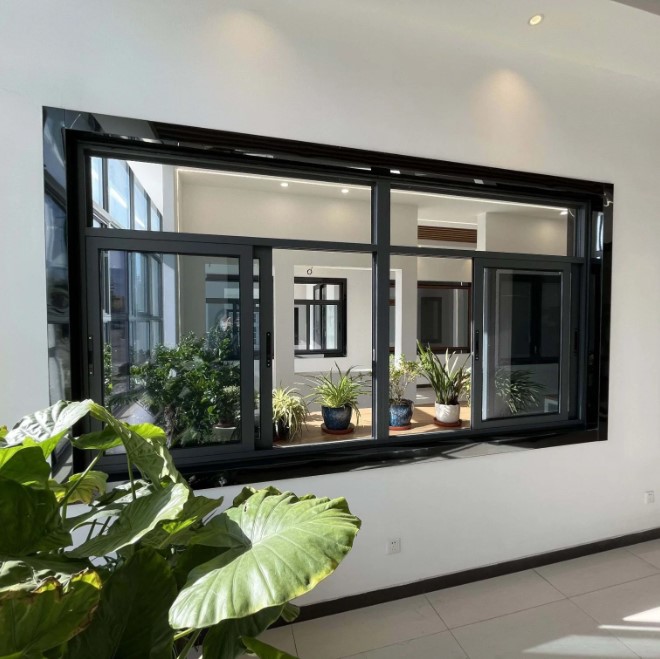
Living rooms usually call for generous glass and openness, so aluminium sliding windows or wide openings work well, pulling in light and linking the room to a balcony or garden. Bedrooms do better with aluminium casement windows, which give you controlled ventilation and seal up tight for quiet and privacy. Kitchens want an openable aluminium window placed to clear cooking heat and smells. And wherever it’s all about the view or pure light with no need to open, an aluminium fixed window gets you the most glass and the slimmest frame. Working this out at the planning stage means every room gets exactly what suits it.
Plan Openings Bigger Than You Think
One regret you hear again and again from people who’ve built a home is wishing they’d made the windows bigger. Small windows look fine on a drawing, then leave the finished rooms darker and more boxed-in than anyone expected.
Since this is new construction, you’ve got a freedom renovators don’t. You can size the openings in the wall itself. Use it. Aluminium window systems span wide and tall openings comfortably, and their strength lets them carry large panes on slim frames. Eternia’s systems, built on Duranium, a special aluminium alloy Hindalco developed that’s 40% stronger than regular aluminium, hold sizeable glass securely while keeping the frames slender. Plan the structure to allow generous windows now, and you’ll almost never wish you’d gone smaller.
Choose a System, Not Scattered Windows
One of the smartest calls you can make at the planning stage is to commit to a single aluminium window system across the whole house rather than buying windows piecemeal. When every opening, sliders, casements, fixed panels, shares the same frame profile, finish, and glass, the home reads as coherent and considered instead of pieced together from odd parts.
There’s a practical upside too. One system means the same sealing, strength, and performance at every window, plus simpler coordination while you’re building. It also makes the aluminium windows design feel deliberate throughout, tying the interior and the facade together. Deciding on one system from the outset saves you from that mismatched, patched-up look you get when windows are chosen room by room as the build stumbles along.
Think About Ventilation and Airflow
Light gets all the glory, but airflow matters just as much to how a home feels, and it’s simple to plan for while the layout is still loose. What you’re after is cross ventilation, openings placed so air can actually move through a room rather than just sitting there.
Wherever you can, put openable windows on opposite or adjacent walls of a room, so a breeze has somewhere to go. Casement windows are especially good at catching air and steering it in. In kitchens and bathrooms, make sure there’s an openable window to clear the heat and moisture. Getting this right on paper takes no effort at all. Trying to retrofit airflow into a finished house is a different story entirely.
Factor in Glass Early
The glass in your windows counts as much as the frame, and it’s worth deciding early because it affects comfort, cost, and how each room actually performs. Clear glass gives you maximum light and view. Double-glazing helps with heat and sound. Tinted glass takes the sting out of harsh sun. Toughened or laminated glass adds safety and security where you need it.
Match the glass to the room and what it faces. Bright clear glass where light is welcome, and heat isn’t a worry; more protective options on sun-facing or ground-floor windows. Sorting this out alongside the window type, rather than tacking it on at the end, leaves you with a home that stays comfortable in every season, without any one room turning too hot, too loud, or too exposed.
Don’t Overlook Weather Performance
Last, plan for the weather your home will actually face. India throws plenty at a window: monsoon rain, coastal salt air, dusty winds, brutal heat, and windows that aren’t built for it will leak, rattle, or give out early.
Look for certified performance instead of vague promises. Eternia’s systems are WiWA certified for wind resistance up to 2.75kPa, watertightness up to 750Pa, and air sealing up to 600Pa, which gives you real, tested reassurance that the windows will keep rain, dust, and noise on the right side of the glass. Build that in from the start, and you’re not left discovering problems during your first monsoon.
Planning Pays Off for Decades
Windows are one of the few things in a home you genuinely can’t redo easily. They’re set into the structure, and swapping them out later means real mess and real cost. Which is exactly why the interior planning stage is where the effort belongs.
Get the orientation, sizing, window types, and system right on paper, and you’ll enjoy the payoff every single day. Brighter rooms. Better airflow. Lower bills. A home that just feels right, for decades. It’s one of the highest-return investments of thought you can make while building. Spend it now, while the walls are still just lines on a drawing, and your future self will thank you every morning the light comes pouring in.