Key Takeaways
- Dallas sun, moisture, and temperature changes can wear down wood fences unevenly.
- Staining works best on clean, dry, structurally sound wood in product-approved weather conditions.
- Fading, roughness, and worn finishes can signal that maintenance is due.
- Finish selection depends on wood condition, existing coatings, and the desired appearance.
- Repairs, drainage improvements, and sprinkler adjustments help support lasting results.
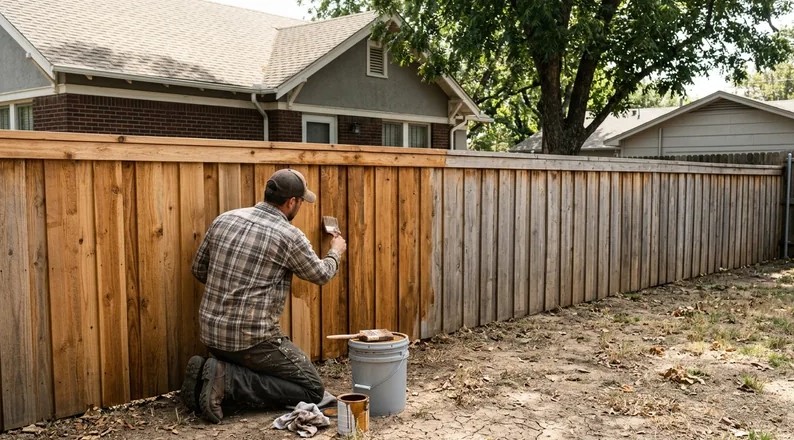
In Dallas, Texas, a wood fence can face intense afternoon sun, fast-changing weather, windblown dust, overspray from irrigation, and periods of high humidity. Staining is one of the most useful maintenance steps for a structurally sound fence, but good timing matters just as much as choosing the color.
For homeowners who prefer help with inspection, preparation, and application, Balance de Terra offers fence staining and sealing services for properties in the Dallas-Fort Worth area. Balance de Terra is a custom fencing and outdoor living company with hands-on experience in wood fencing, fence repairs, and finish application, serving communities including Dallas, Fort Worth, Arlington, Plano, Frisco, McKinney, Mesquite, and Rockwall.
Why Dallas Weather Can Wear Down a Wood Fence
Sunlight can gradually fade exposed boards and leave wood looking dry or uneven. Rain and humidity add moisture, while hot, dry intervals pull moisture back out. Over time, that cycle can contribute to surface checking, splinters, and a rougher appearance. Fence sections facing west or south may weather differently than shaded sections behind trees, patios, or neighboring homes.
Ground contact, poor drainage, climbing plants, and sprinklers can create persistently damp areas near posts and pickets. A stain or sealer can help protect against moisture and sunlight, but it cannot restore soft wood, repair a leaning post, or make a loose rail structurally sound.
Signs Your Fence May Be Ready for Staining
Walk both sides of the fence before purchasing a product or setting a project date. Pay attention to changes in texture and water absorption, not just color.
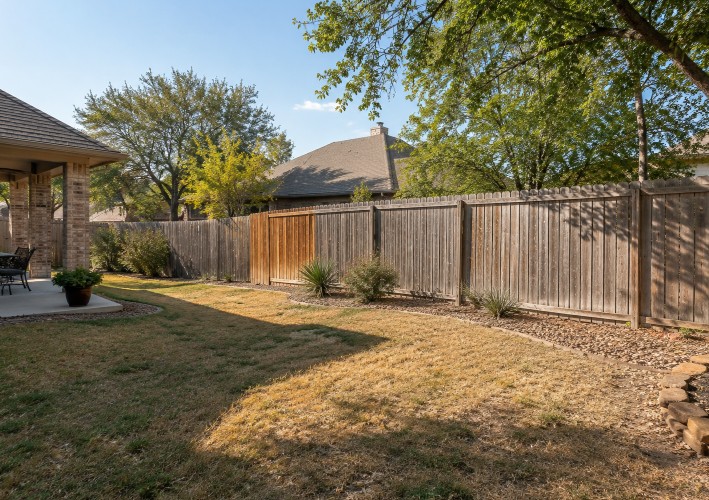
- Boards appear gray, faded, or patchy.
- The surface feels dry, rough, or prone to splintering.
- Water quickly absorbs into the wood rather than beading on it.
- An older finish looks worn, thin, or uneven.
- Minor cracks, loose fasteners, or isolated damaged pickets need attention.
- Dark areas near the soil line suggest moisture may be lingering there.
Before staining new or pressure-treated lumber, use guidance on drying and UV-protective finishes to understand why recent weather, sun exposure, and the wood’s ability to absorb water should influence the schedule.
Choosing the Best Time of Year in Dallas
Spring
Spring is a practical time to inspect a fence after winter and address loose boards or drainage problems. However, spring rain can interrupt preparation and drying. Wait until the wood is dry and the product label’s weather requirements can be met.
Summer
Summer creates the most obvious scheduling challenge. Direct afternoon sun can heat fence boards quickly, and stain applied to a very hot surface may dry before it penetrates evenly. When the manufacturer allows it, work during a cooler part of the day and avoid treating a sun-baked section simply because the air temperature seems manageable.
Fall
For many Dallas homeowners, fall can offer a more comfortable window for work. Cooler conditions may allow a finish more time to absorb before drying. Even then, check the forecast for rain, overnight dampness, and abrupt temperature changes before beginning.
Winter
Winter is not automatically off-limits. Mild, dry days can be suitable when the fence is dry, and the chosen product permits application in those conditions. Cold, damp, or heavily overcast stretches can slow drying and may require postponing the job.
How to Tell Whether the Wood Is Dry Enough
- Choose a clean, representative section of the fence.
- Sprinkle a few drops of water onto the surface.
- Watch whether the water is absorbed by the wood or remains beaded on top.
- If the surface does not readily absorb water, allow more drying time.
- Confirm the final decision against the stain manufacturer’s instructions.
This simple test is especially useful after rain, power washing, or installation of new treated boards. It does not replace product directions, but it can help identify wood that is still not ready to accept a penetrating finish.
Picking a Finish for a Dallas Fence
- Clear sealers: Preserve more of the wood’s natural appearance and are a fit for homeowners who want minimal color change.
- Semi-transparent stains: Add color while leaving some grain visible, creating a middle ground between natural texture and added pigment.
- Solid-color stains: Create a more uniform finish and can help visually refresh older boards with uneven color.
The right choice depends on the fence’s condition, any existing coating, the desired appearance, and how much natural grain the homeowner wants to see. The U.S. Forest Service’s research on exterior wood stains explains that penetrating stains are designed to protect wood surfaces from sunlight and moisture without behaving like a film-forming paint coating.
Preparation Steps That Shape the Final Result
- Inspect the structure: Check posts, rails, pickets, gates, and hardware.
- Clean the surface: Remove dirt, loose debris, mildew, and algae before applying finish.
- Remove failing material: Scrape loose stains or peeling coatings as needed.
- Allow drying time: Do not apply stain over damp wood.
- Handle minor repairs: Secure fasteners and replace damaged but isolated boards.
- Protect the work area: Cover plants, patios, furniture, vehicles, and siding as appropriate.
- Test a small section: Check color and absorption before completing the full fence.
Common Fence Staining Mistakes to Avoid
- Starting immediately after rain or cleaning.
- Applying stain to boards heated by strong direct sun.
- Skipping cleaning and trapping dirt beneath the finish.
- Using a new product over an old coating without a test area.
- Applying excess stain and leaving tacky or shiny spots.
- Ignoring posts, gate hardware, drainage, and the soil line.
- Selecting a color without viewing it in both sunlight and shade.
When a Fence Needs Repair Instead of Stain
Staining is maintenance, not structural repair. Address the underlying issue first if posts move when pushed, rails have separated, boards feel soft or hollow, a gate drags, or water routinely collects at the fence base. Repairing weak areas before finishing helps prevent a fresh-looking surface from concealing problems that continue to worsen.
Frequently Asked Questions
How often should a Dallas fence be stained?
There is no single schedule for every fence. Sun exposure, wood type, sprinklers, drainage, the previous finish, and the product formula all affect maintenance needs. Inspect the fence at least once a year and watch for fading, roughness, and fast water absorption.
Should a new fence be stained right away?
New wood may need time to dry before it accepts stain properly. Use the water test and follow the finish manufacturer’s directions rather than relying only on the installation date.
Can a fence be stained after power washing?
Yes, after the wood has dried fully. Excessive pressure can roughen wood fibers, so use an appropriate cleaning approach and allow enough time before applying finish.
Can one side of a shared fence be stained?
It may be possible, but property lines, access, fence ownership, and neighbor agreements can affect the project. Discuss the plan before work begins.
Simple Dallas Fence Care Checklist
- Inspect posts, rails, boards, and gates at the start of spring.
- Trim vegetation that stays pressed against the wood.
- Redirect sprinklers away from fence sections when possible.
- Clean dirt and mildew before they become widespread.
- Watch for fading, cracks, splinters, and rapid water absorption.
- Plan staining around dry weather and product-approved temperatures.
- Keep the product label and color details for future touch-ups.
With thoughtful preparation and a realistic weather window, Dallas homeowners can help a wood fence look more consistent and stay better protected through changing Texas conditions.