Owning a home comes with plenty of responsibilities, but it’s often the smaller maintenance tasks that get pushed aside. A dripping faucet, a clogged gutter, or an unusual noise from an appliance might not seem urgent, especially when everything still appears to be working.
Unfortunately, minor problems can become expensive when you ignore them for too long. The good news is that homeowners don’t need extensive DIY experience to protect their properties. A few straightforward habits can help prevent unnecessary repairs and keep household systems running smoothly.
1. Deal With Plumbing Problems Early
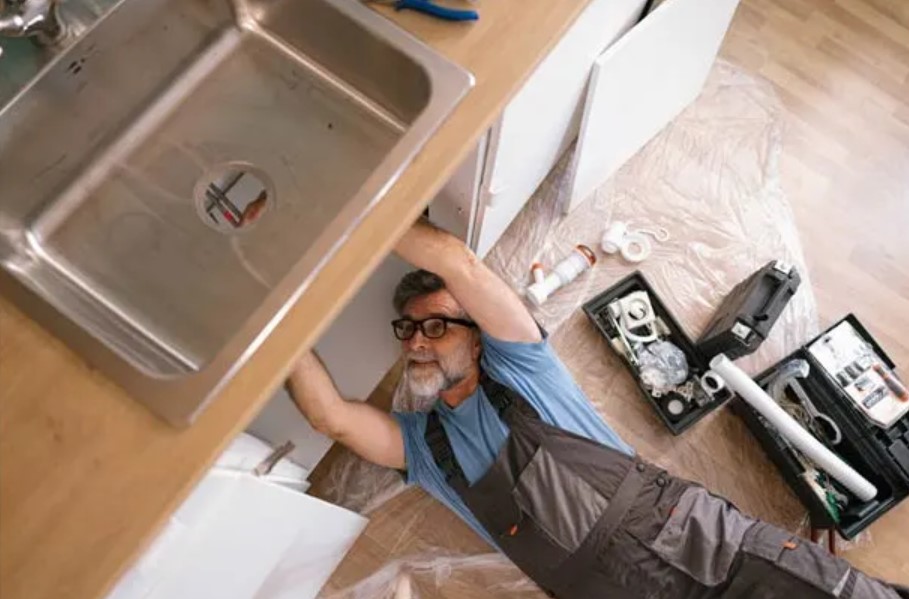
Small plumbing issues are easy to overlook when they don’t immediately interfere with daily routines. However, persistent leaks, slow drains, and fluctuating water pressure can sometimes indicate more serious problems.
Check beneath sinks, around toilets, and near exposed pipes for signs of moisture. Unexplained increases in water bills can also suggest a hidden leak.
For more complicated concerns, professional assistance is usually the safest approach. Homeowners researching plumbers in Meridian Idaho can arrange inspections to identify developing problems before they cause extensive water damage.
2. Keep Your Gutters Clear
Gutters protect your home by directing rainwater away from the roof and foundation. When leaves and debris block them, water can overflow and damage siding, landscaping, or exterior walls.
Cleaning gutters regularly, especially after storms or during fall, helps prevent these problems.
Check downspouts as well, ensuring water flows away from the foundation rather than collecting beside the house.
3. Maintain Your Heating and Cooling Equipment
Heating and cooling systems work hard year-round, yet many homeowners only think about them when something breaks.
Replacing air filters as recommended by the manufacturer, keeping vents unobstructed, and scheduling routine servicing can help maintain efficiency.
Watch out for unusual sounds, inconsistent temperatures, or unexpected increases in utility bills. These changes may indicate that equipment needs attention.
4. Check Windows and Doors for Gaps
Small openings around windows and doors can allow drafts and moisture into your home, making indoor temperatures harder to control.
Inspect weatherstripping, door seals, and window frames for deterioration. Replacing worn materials can improve comfort and reduce unnecessary heating and cooling costs.
These checks are particularly useful before seasonal weather changes.
5. Test Your Home’s Safety Devices
Smoke alarms and carbon monoxide detectors are essential household safety features, but they require occasional maintenance.
Test devices according to the manufacturer’s instructions, and replace batteries or units when recommended.
It’s also worth checking fire extinguishers and ensuring everyone in the household understands basic emergency procedures.
Although these tasks take little time, they can make a significant difference during an unexpected situation.
6. Inspect Areas You Rarely Use
Attics, basements, crawl spaces, and storage rooms often receive less attention than the rest of the house.
Unfortunately, moisture problems, pest activity, and damaged insulation can develop unnoticed in these areas.
Inspecting them regularly can help you spot warning signs before repairs become more complicated.
Keeping storage areas organized also makes it easier to spot anything unusual.
Small Efforts Can Prevent Bigger Expenses
Preventing costly household problems doesn’t require spending every weekend on maintenance. Consistency matters more than completing everything at once.
Creating a simple checklist and setting aside time for regular inspections can make these responsibilities easier to manage.
By addressing small concerns early and knowing when to seek professional help, homeowners can protect their investment, avoid unnecessary disruption, and enjoy a more comfortable living environment.