

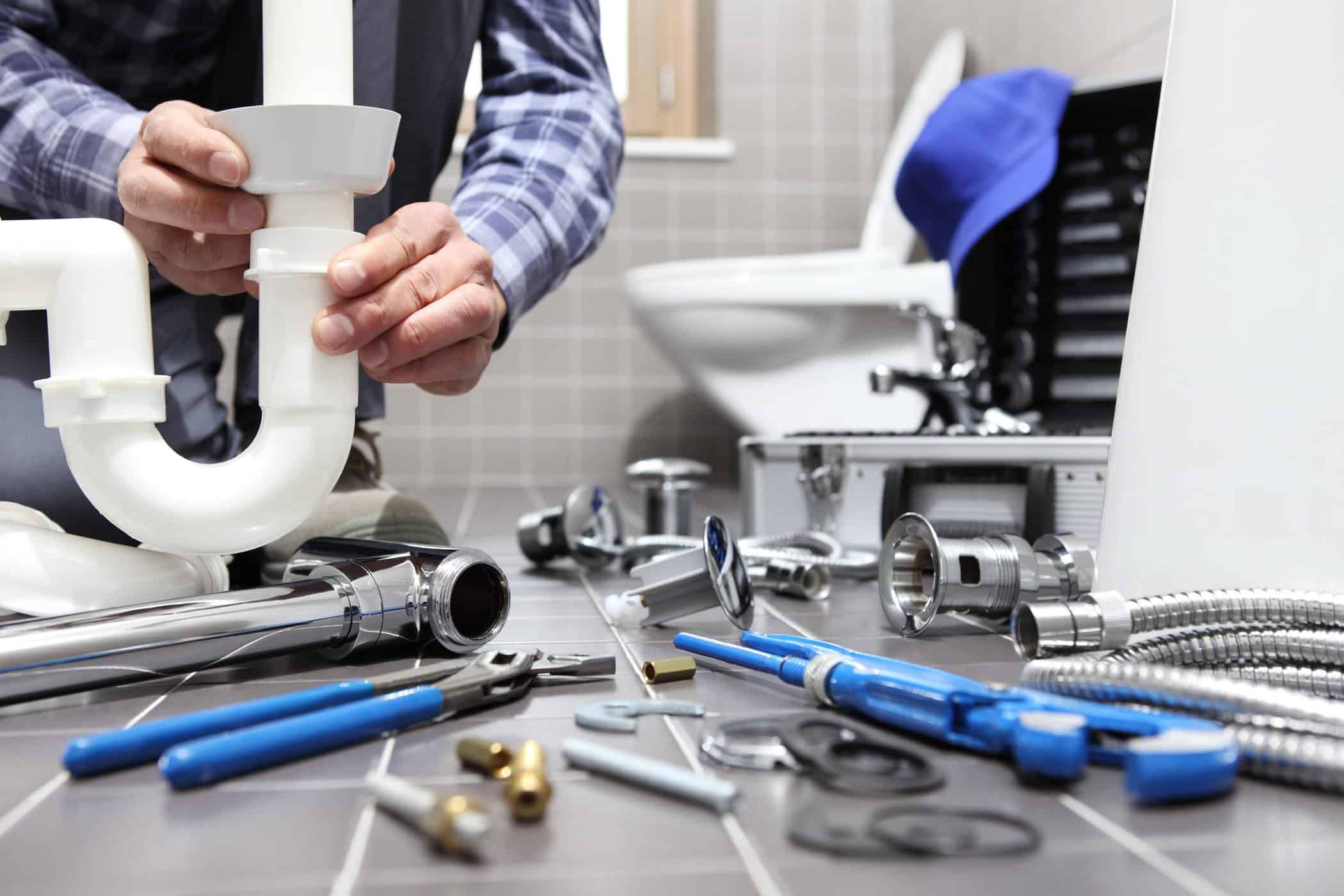
Plumbing is a crucial component of any functioning home or business. There are a multitude of misconceptions surrounding plumbing maintenance and repair that can lead to unnecessary costs and damage. These myths can range from what substances are safe to flush down the toilet to the efficacy of certain DIY solutions. With misinformation potentially leading to significant plumbing issues, it’s important to separate fact from fiction. Below, we debunk some of the most common plumbing myths and provide insights into proper plumbing practices.
Common Plumbing Myths Debunked: Understanding the Facts
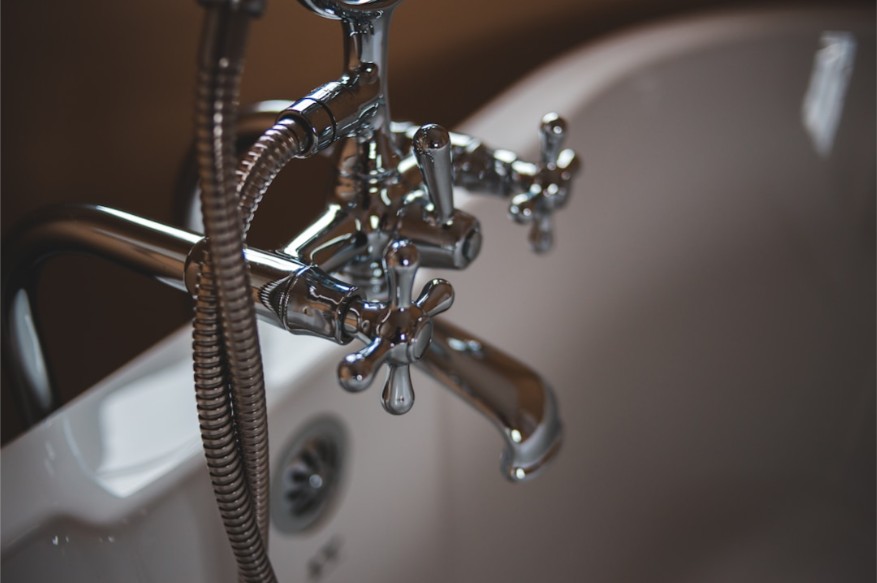
Even a slow-dripping faucet can waste gallons of water over time, increasing bills and straining your plumbing system, so leaks should be addressed promptly. Similarly, slow drainage can signal the start of a clog that may worsen if ignored, potentially leading to costly repairs. Regular maintenance is essential to catch issues early and ensure the longevity of plumbing fixtures.
Not all plumbers offer the same expertise, so choosing the right professional matters. Relying solely on price can result in poor-quality repairs. Hiring the best plumber in Houston, based on experience and reviews, ensures reliable service and long-term solutions for your home’s plumbing needs.
The Truth About Flushable Wipes and Your Plumbing
Flushable wipes are often advertised as safe for toilets and septic systems, but this is misleading. Unlike toilet paper, they do not break down easily, causing blockages in household plumbing and contributing to costly sewer system damage. Their repeated use can lead to chronic plumbing issues, often requiring professional repair. Manufacturers have faced scrutiny and lawsuits over misleading claims, highlighting the need for accurate labeling.
Consumers are encouraged to dispose of wipes in the trash rather than flushing them. Awareness and education about the risks of flushable wipes are essential, as spreading this knowledge can help protect individual plumbing systems and municipal infrastructure, preventing unnecessary expenses and maintenance challenges.
Debunking the Myth: Grease is Good for Your Pipes
A common misconception is that grease is harmless or even helpful for pipes, but it actually causes serious problems. When poured down drains, grease cools and solidifies, sticking to pipe walls and forming blockages that can be costly to remove. Proper disposal involves letting grease cool, solidifying it, and discarding it in the trash.
Continuous pouring of grease can lead to major plumbing issues over time and poses environmental risks by polluting waterways. Restaurants and commercial kitchens face an even greater challenge due to the volume of grease they produce. They rely on grease traps to collect fats, oils, and grease, which require regular professional cleaning to prevent clogs and comply with regulations.
Myth vs. Reality: The Impact of DIY Plumbing Solutions
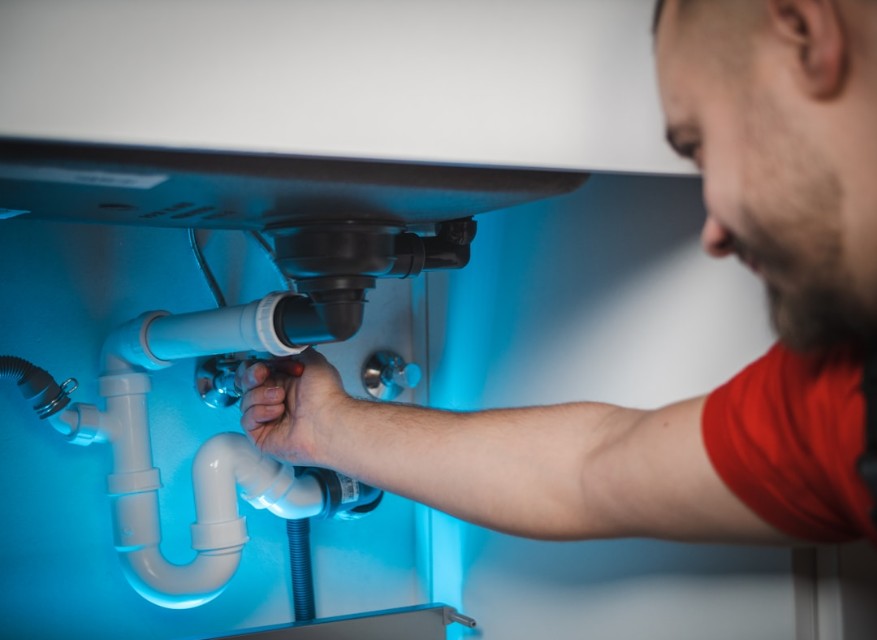
The popularity of DIY plumbing has grown with home improvement shows and online tutorials, but the notion that DIY repairs can replace professional services is misleading. While some minor issues may be manageable by a skilled homeowner, attempting repairs without proper knowledge or tools can worsen problems and increase costs.
Even a simple leak may indicate a larger underlying issue, and incorrect fixes can lead to further damage. Plumbing work often involves high water pressure, hot water, electrical systems, and gas lines, posing significant safety risks. Inadequate repairs can also cause water damage, mold, and health hazards. Homeowners should understand their limits and seek professional help when necessary.
The Misconception of In-Tank Toilet Cleaners and Pipe Health
In-tank toilet cleaners promise convenience by keeping toilets clean and fresh, but they can damage plumbing components over time. The chemicals in these products may degrade flappers and seals, causing leaks and reducing efficiency, while also contributing to pipe corrosion and shortening system lifespan.
Although they improve the appearance of the bowl, they do not address issues within the pipes and cannot prevent clogs, potentially masking problems that need professional attention. Many in-tank cleaners are also harmful to the environment, as their chemicals can be difficult to treat in wastewater. Safer alternatives include regular brushing with mild detergents or natural solutions like baking soda and vinegar.
Overall, understanding the truth behind these common plumbing myths is key to maintaining a healthy plumbing system and preventing costly repairs. From the misuse of flushable wipes to improper grease disposal and the pitfalls of DIY solutions, education and professional advice are your best defense. By debunking these myths, homeowners can equip themselves with the knowledge they need to avoid plumbing pitfalls and recognize when it’s time to call in the experts.
