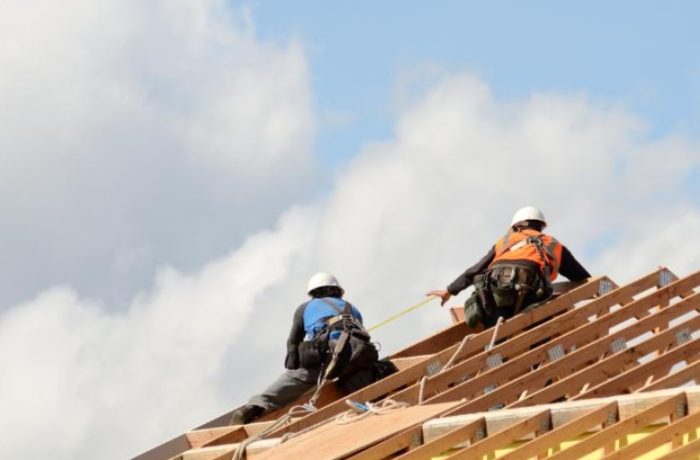
Wooden buildings are becoming a sustainable alternative to traditional materials like steel and concrete for mobile structures. With modern construction techniques and wood’s eco-friendly benefits, these renewable structures offer strength, portability, and environmental advantages. This post examines their growing popularity, unique properties, and practical uses.
The Case for Green Construction
Environmental concerns like deforestation, climate change, and overflowing landfills make the need for eco-friendly construction methods more urgent than ever. Global populations are becoming increasingly aware of how traditional building materials impact the planet. Steel production, for example, emits roughly 1.85 tons of CO2 per ton of steel manufactured, while cement production contributes to nearly 8% of global CO2 emissions annually.
Wood, however, stands out as a sustainable solution. When responsibly sourced from managed forests, it is renewable, biodegradable, and has a lower carbon footprint than materials like concrete or steel. Woodenmobile structures, such as cabins, office pods, and temporary housing, capitalize on these eco-friendly traits without compromising versatility or design flexibility.
Key Benefits of Wooden Buildings for Mobile Structures
1. Carbon Sequestration
Perhaps one of wood’s most significant environmental benefits is its ability to sequester carbon. Trees naturally absorb carbon dioxide from the atmosphere as they grow, locking it into their fibers. When wood is harvested for construction, that stored carbon remains trapped within the material for the lifetime of the building.
By using wood in mobile structures, we’re not only reducing reliance on carbon-intensive materials but also actively contributing to carbon capture efforts. Essentially, each wooden structure acts as a mini carbon storage unit, helping offset emissions.
2. Lightweight and Portable
Portability is key to mobile structures, and wood fits the bill perfectly. Compared to steel or concrete, wood is significantly lighter and easier to transport, making it ideal for structures designed to be moved frequently.
For example, tiny homes, modular classrooms, or event pavilions made of wood are easier to assemble, disassemble, and relocate than those constructed from heavier materials. Lower weight also means reduced fuel consumption during transportation, reducing the environmental impact even further.
3. Reduced Construction Waste
Prefabrication is commonly used in wooden mobile structures, where components like walls, floors, and roof panels are manufactured off-site and then assembled on location. This process is highly efficient, as it minimizes material waste compared to traditional on-site construction.
Additionally, unlike steel and concrete, where leftover materials are often hard to recycle, wood waste can be repurposed as biomass fuel, mulch, or even be used in crafting projects.
4. Insulation and Energy Efficiency
Wood is a natural insulator, significantly better at regulating temperature compared to most metals and even concrete. This makes wooden mobile structures energy-efficient, requiring less heating or cooling to maintain comfortable indoor environments.
By opting for wood, businesses or individuals using mobile structures can lower their energy consumption while still enjoying cozy, well-insulated spaces. Over time, this results in reduced utility costs and a smaller environmental footprint.
5. Aesthetic Appeal and Customization
Beyond its environmental benefits, wood has a timeless, natural aesthetic that doesn’t fade with trends. Wooden mobile buildings often blend seamlessly into natural surroundings, making them an excellent choice for eco-conscious businesses or individuals who value design and visual harmony.
What’s more, wood is incredibly versatile. It can be stained, painted, or even left raw to achieve a variety of styles, allowing for high customization. Whether you’re designing a sleek, modern tiny home, a rustic pop-up store, or custom wood storage sheds like those in Lake Charles, LA, wood lends itself beautifully to different visions.
Applications of Wooden Mobile Structures
1. Tiny Homes
The tiny home movement has taken the world by storm, with many choosing to downsize for a simpler and greener lifestyle. Wooden tiny homes are a popular choice, thanks to their light weight, aesthetic charm, and sustainability.
2. Pop-Up Shops
Temporary retail spaces are ideal for brands that want to make a big impact with minimal environmental consequences. Wooden pop-up shops can be easily constructed and relocated while aligning with a brand’s sustainability ethos.
3. Portable Classrooms
Schools often face the challenge of providing sufficient learning spaces as student populations grow. Wooden mobile classrooms offer an eco-friendly solution that accommodates fluctuating enrollment numbers.
4. Event Pavilions
Music festivals, markets, and other gatherings often require temporary structures that can handle crowds and harsh weather. Wooden pavilions are not only durable but also chic and sustainable.
From Challenges to Opportunities
While wooden mobile structures offer numerous advantages, they aren’t without challenges. Wood is susceptible to moisture and pests, which can lead to rot if not properly treated. However, modern treatments and finishes have significantly improved wood’s resistance, ensuring durability even in less-than-ideal conditions. Additionally, sourcing wood responsibly is critical to avoid contributing to deforestation. Businesses should prioritize materials certified by organizations like the Forest Stewardship Council (FSC).
By addressing these challenges, the opportunities for wooden mobile structures can be maximized, paving the way for a greener, more sustainable future in construction.
Conclusion
Wooden mobile structures combine sustainability and functionality, offering benefits like carbon sequestration, energy efficiency, and reduced waste. Their flexibility and eco-friendliness make them a great choice for greener building alternatives. Stay tuned to our blog for more on sustainable innovations! 🌍