

Early childhood education is the critical starting point for every child’s future academic and social success. Implementing research-based strategies during these foundational years provides children with the skills and confidence needed to excel as lifelong learners. Parents seeking enriching environments for their children often weigh options such as a private kindergarten program, recognizing the value of such settings for individualized learning and growth. Thoughtfully designed approaches in early education can foster cognitive, emotional, and social development, providing a well-rounded start to a child’s educational journey.
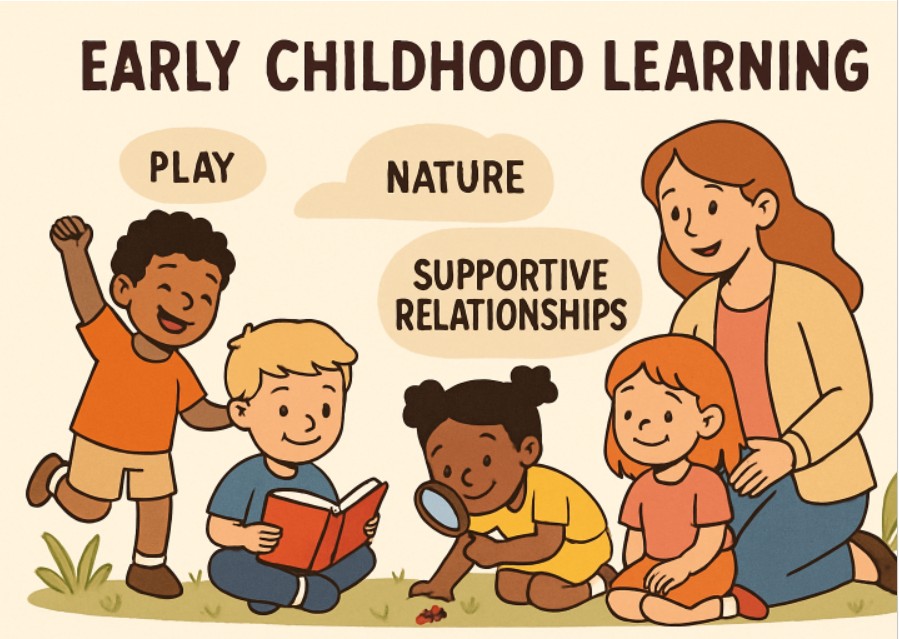
Early learning experts emphasize the need for personalized educational experiences in early childhood. Key elements such as innovative models, hands-on activities, and supportive adult relationships enhance learning environments, fostering curiosity and critical skills for future challenges. The article identifies effective strategies to improve early education, including play, social-emotional learning, nature-based experiences, technology integration, and mindfulness, all supported by research. It advocates for integrating these strategies into daily routines, informed by continuous feedback and educational advancements.
Play-Based Learning: A Cornerstone of Development
Play-based learning is central to early childhood education, recognized by leading educators as essential to the development of cognitive, social, and emotional competencies. Through playful exploration, children experiment with problem-solving, creativity, and teamwork, gaining invaluable life skills in the process. Activities such as imaginative play, block building, role-playing, and hands-on art projects foster both independence and group collaboration. Research published by the National Association for the Education of Young Children (NAEYC) supports the view that children learn best when actively engaged in purposeful play, allowing them to make sense of the world around them at their own pace.
Integrating Social-Emotional Learning (SEL)
Social-Emotional Learning, or SEL, has become a priority in early childhood education, as emotional intelligence is a strong predictor of later academic and social success. SEL programs focus on developing self-awareness, self-regulation, empathy, and responsible decision-making. Teachers incorporate structured SEL activities into daily routines, such as emotion cards, storytime discussions about feelings, and cooperative games that promote teamwork and respect. Through these activities, children build essential interpersonal skills and learn effective coping strategies, preparing them for the challenges of school and life. Schools that prioritize SEL also report reduced behavioral issues and stronger classroom communities.
Embracing Nature-Based Learning
Reintroducing children to the natural world through outdoor classrooms, nature walks, gardening, and environmental storytelling offers numerous developmental benefits. Nature-based learning stimulates the senses and encourages inquiry, supporting children as they learn about plants, weather, animals, and seasons in real time. These outdoor experiences foster a sense of wonder and promote physical activity, spatial awareness, and environmental stewardship. Incorporating natural elements into daily learning routines has been shown to lower stress and improve attention spans in young learners, according to research from The Nature Conservancy.
Personalized Learning Through Technology
The thoughtful use of technology in early education enables highly personalized, accessible learning. Adaptive learning platforms, interactive games, and multimedia resources allow educators to adjust content and difficulty according to each child’s learning profile. By analyzing learning data, teachers can pinpoint strengths and areas for growth, ensuring every learner remains engaged. Technology also brings diverse voices and cultures into the classroom, promoting global connections and digital literacy.
Implementing Mindfulness Practices
Mindfulness practices in early childhood classrooms offer practical tools for developing focus, patience, and emotional resilience. Simple exercises such as guided breathing, sensory awareness activities, and yoga help children recognize and manage their emotions productively. Teachers model mindful behaviors and integrate them into transition times and group activities, creating a calm, supportive classroom environment. The benefits extend beyond mental health to enhance self-regulation, conflict resolution, and attention span, supporting foundational skills for academic learning and life success.
Conclusion
Improving early childhood education means building a nurturing, stimulating, and flexible environment where children can thrive. By blending play-based learning, social-emotional skill-building, meaningful nature experiences, adaptive technology, and mindfulness, educators equip young learners with a toolkit for lifelong achievement. Schools and families that embrace these strategies set the stage for each child’s future success, both in the classroom and beyond.
