
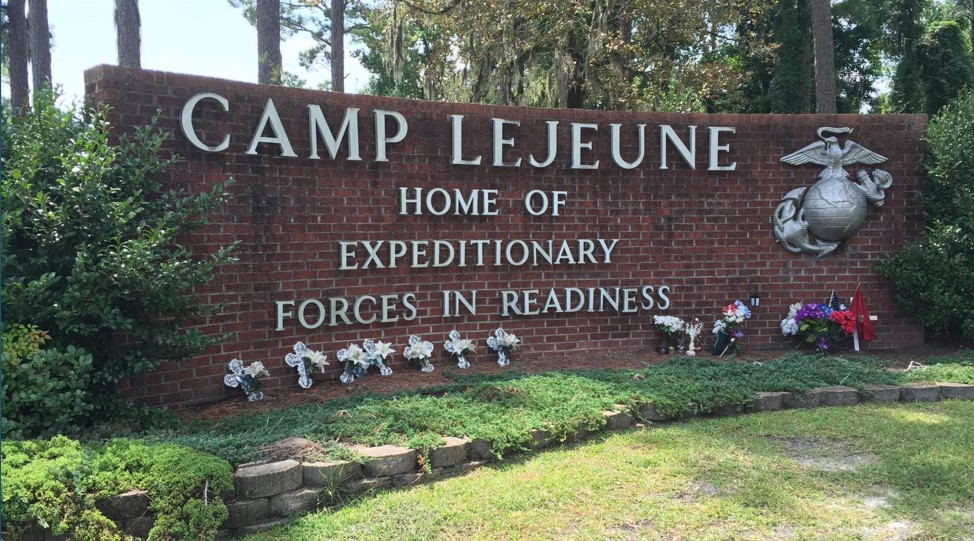
For decades, the idyllic image of Camp Lejeune masked a hidden danger. Contaminated drinking water exposed residents and service members to harmful toxins, leading to serious health problems. Thanks to recent legislation, there’s finally a path to compensation for those affected.
You may be eligible for compensation if you lived or worked at Camp Lejeune between 1953 and the late 1980s. Certain medical conditions could qualify you for a potential settlement. Certain health conditions may make you eligible for a settlement.
In this article, we’ll navigate you through filing a Camp Lejeune claim and preparing for a successful settlement process.
Eligibility for Camp Lejeune Claims
To qualify for compensation under Camp Lejeune claims, individuals must meet specific eligibility criteria outlined by the relevant authorities. Eligibility for Camp Lejeune claims typically demands at least 30 cumulative days of service on the base. This requirement spans from 1 August 1953 to 31 December 1987, per the US Department of Veteran Affairs.
Claimants must also furnish evidence of exposure to contaminated water while stationed at Camp Lejeune. This evidence may encompass military records, medical documentation, or other corroborating evidence. Compensation typically covers diagnosed medical conditions linked to contaminants in Camp Lejeune’s water, such as cancers and neurological disorders.
It’s crucial to thoroughly review eligibility requirements and gather the necessary documentation to support your claim effectively.
The Camp Lejeune Claims Process
Navigating the Camp Lejeune claims process requires diligence and patience. After gathering the necessary documentation, claimants must submit a completed application to the appropriate authority, such as the VA or the Marine Corps. The claims review process involves a thorough examination of medical records, service history, and evidence of exposure to contaminated water.
Depending on the complexity of the case and the volume of claims, this review can take several months to complete. Once a decision is reached, claimants will be notified of the outcome, including approval for compensation, denial, or requests for additional information.
Preparing for a Successful Settlement
Thorough preparation is crucial before pursuing a Camp Lejeune settlement to strengthen your case and enhance your potential for success. Consider these key steps in preparing for a Camp Lejeune claim.
Compile comprehensive medical records documenting conditions associated with contamination. Obtain military service records to confirm presence at Camp Lejeune. Also, gather evidence of exposure, such as witness statements or official reports, to substantiate your claim.
Obtaining legal help is essential for effectively managing claims related to Camp Lejeune. Seeking guidance and support from experienced lawyers who specialize in such matters can be invaluable in navigating the process. Understanding your legal rights ensures you’re equipped to advocate for fair compensation under relevant compensation programs.
Building a robust case entails documenting the full extent of damages endured due to Camp Lejeune exposure. This includes detailing physical, emotional, and financial hardships suffered. Also, presenting compelling evidence linking health issues to Camp Lejeune contaminants reinforces the validity of the claim.
When considering a Camp Lejeune settlement, it’s crucial to understand the available options, such as lump-sum payments, ongoing compensation, or medical care coverage. Familiarizing yourself with these choices empowers you to make informed decisions aligned with your needs. Also, if presented with a settlement offer, review the terms and advocate for fair compensation that accurately reflects the extent of your damages.
By adhering to these steps and collaborating closely with a qualified legal professional, your likelihood of a favorable Camp Lejeune settlement increases. Keep in mind that you’re not facing this journey alone. There are support resources ready to assist you in navigating through this process and ensuring you receive the compensation rightfully owed to you.
Key Considerations for Claimants
Navigating Camp Lejeune’s claims requires careful consideration of various factors to ensure a smooth and successful process. For claimants, ensuring documentation accuracy is paramount. It’s essential to guarantee that all provided documentation is accurate, complete, and directly relevant to your claim. Any discrepancies or missing information may impede the approval process, underscoring the importance of thoroughness and attention to detail.
Timely submission of your claim is essential to prevent processing delays. Submitting your claim promptly expedites the review and decision-making process, ensuring swift resolution. For CLJA, the two-year window for submitting claims is closing on 10 August 2024, as per the US Navy. Act swiftly to avoid unnecessary delays and expedite the review process.
Persistence is vital in navigating the potentially lengthy and intricate claims process. Gathering evidence, addressing inquiries, and navigating administrative procedures require dedication and perseverance. Also, being aware of available resources, like veteran service organizations and legal assistance programs, can provide invaluable support throughout the settlement journey.
What to Expect During the Settlement Process
The Camp Lejeune settlement process can be multi-faceted, involving several stages and potential outcomes. Understanding what to expect can help claimants navigate the journey more effectively.
The settlement process for these claims typically unfolds through several key stages. Initially, submitted claims undergo thorough scrutiny by relevant authorities like the VA or the Marine Corps to verify eligibility and document completeness. Subsequently, approved claims proceed to a detailed evaluation of provided evidence, including medical records and exposure documentation.
Following this assessment, claimants are notified of the decision, which could entail approval, denial, or requests for further information. In case of unfavorable outcomes, individuals retain the option to appeal, presenting additional evidence for review. Finally, approved claims may culminate in settlement offers encompassing various compensation options, from lump-sum payments to ongoing benefits.
According to Lawsuit Legal News, the Department of Justice (DOJ) is currently reviewing 62 administrative claims for potential settlements. Out of these claims, 13 have received settlement offers, with four offers accepted, one rejected, and eight pending further action.
These statistics underscore the significance of understanding the settlement process and being prepared to navigate its complexities effectively.
Legal Considerations and Options
Navigating claims often involves complex legal considerations, and understanding your options is paramount to ensuring a successful outcome. For claimants pursuing Camp Lejeune claims, seeking legal representation from specialized attorneys is paramount. Experienced lawyers offer invaluable guidance and advocacy to navigate the complexities of the claims process effectively.
If your claim faces denial, exercising the right to appeal is crucial. This process entails submitting further evidence or arguments and seeking review by higher authorities, like the Board of Veterans’ Appeals. TorHoerman Law highlights the routine denial of health care and disability benefits for Camp Lejeune veterans and their families. They’ve faced challenges accessing necessary support.
Also, in certain instances, suing responsible entities, including government bodies or corporations, provides an alternative route to pursue compensation. It’s essential to weigh these legal options carefully with the guidance of experienced attorneys specializing in Camp Lejeune claims.
Frequently Asked Questions
What is the Camp Lejeune Justice Act, and who is eligible to file claims under it?
The Camp Lejeune Justice Act of 2022 permits individuals exposed to contaminated water at Camp Lejeune between 1953 and 1987 to seek compensation. It addresses related health problems resulting from the exposure. Eligibility requires residency at the base for at least 30 days and a diagnosis of a covered illness.
How does the claims process work for Camp Lejeune contamination victims?
Camp Lejeune contamination victims can seek compensation through two main routes. The Camp Lejeune Settlement (CLS) offers a faster, streamlined process for certain qualifying conditions. Alternatively, lawsuits allow for potentially higher awards but involve a longer timeline and legal fees.
How can legal representation assist with Camp Lejeune claims and settlements?
Having legal representation is immensely helpful when dealing with the intricate Camp Lejeune claims and settlement procedures. A seasoned attorney can assist in collecting evidence, assessing eligibility, exploring settlement possibilities, and advocating on your behalf to optimize compensation. Additionally, they can help you stay on track with deadlines and navigate the legal system effectively.
Navigating the Path to Justice at Camp Lejeune
In the quest for justice amid Camp Lejeune’s tainted legacy, claimants embark on a challenging yet hopeful journey. From understanding eligibility criteria to navigating legal complexities, this guide lights the path forward.
Preparation, perseverance, and informed advocacy are pivotal in achieving a successful settlement. With each stride, we move closer to resolution and a brighter future for those impacted by the contamination.