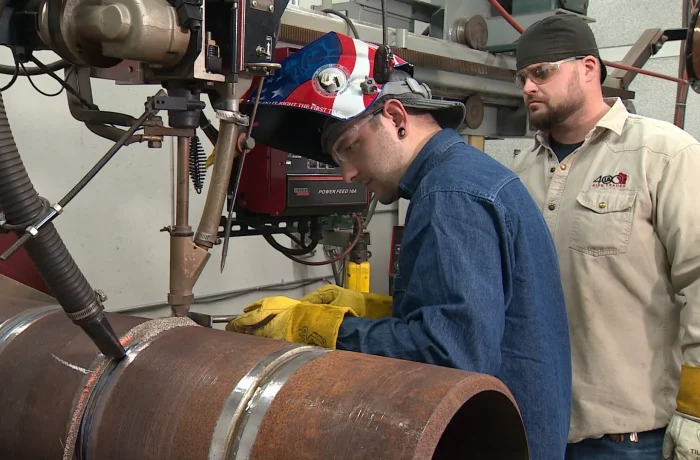

Corrosion isn’t just rust but it’s decay. It’s failure, downtime, leaks, lawsuits—whatever your worst-case scenario is, corrosion finds a way to start it.
Now, if that sounds dramatic, good. Because in industrial environments, picking the wrong pipe material doesn’t just cause a hiccup. It compromises the entire system. Pipes are everywhere. They carry acids, water, steam, chemicals—stuff that eats metal alive if you let it.
This is why the decision around stainless steel pipe can’t be taken lightly. The label says “stainless,” sure. But some grades stain. Some corrode. Others last for decades without drama. And that difference usually comes down to chemistry, and choosing what fits the environment.
It Starts with the Environment
“Corrosive” sounds like an obvious word. Think acid baths, chemical plants, harsh cleaning fluids. But what counts as corrosive is broader than most people realize.
Some of the worst culprits?
- Salt in coastal air
- Chlorine in water
- High humidity combined with poor ventilation
- Recycled water systems with high mineral content
- Certain disinfectants are used daily in cleanrooms or food plants
Even temperature swings play a role. One minute the pipe’s cold, the next it’s pumping steam. That expansion and contraction? It causes tiny stress fractures. Over time, that’s enough for corrosion to sneak in.
Where People Get It Wrong
The most common mistake? Assuming all stainless steel is the same. It’s not. There’s no one-size-fits-all. Some grades do fine in dry air. Others fall apart when exposed to salt or cleaning chemicals.
Another misstep is relying solely on price. Sure, 304 stainless steel costs less. But if it starts pitting six months after installation, what did that upfront saving really buy you? Probably more problems than it solved.
Popular Grades and Their Real-World Behaviour
Let’s look at what actually works—and where.
304 Stainless Steel
It’s everywhere. It’s affordable. It handles basic corrosion well.
But once you introduce saltwater or chlorides, things go south quickly. You’ll see pitting, surface rust, and even cracking. Great indoors. Questionable near the coast or chemicals.
316 Stainless Steel
Now we’re talking molybdenum. That’s the extra ingredient here, and it changes everything. 316 resists salt, acid, cleaning agents—basically the nasty stuff 304 can’t handle.
Used in marine gear, cleanrooms, pharma, and food systems. Not cheap, but a solid long-term bet.
317L and 904L
Most won’t touch these unless the job absolutely requires it. Think sulfuric acid or heavy-duty chemical environments. These grades don’t just resist corrosion—they’re built to survive it—niche, but reliable in their domain.
Duplex Stainless Steels
This one’s interesting. Duplex blends strength and corrosion resistance. It’s like the middle ground between 316 and high-end alloys. Excellent in salty environments or pressurised pipelines.
But hard to weld, and not everyone has the skill or tools to work with it properly. That’s the tradeoff.
Quick Note on Misuse
Sometimes the material is fine, but the environment still wins because of human error.
Examples? Sure:
- Using tools that leave behind iron filings (which trigger rust)
- Welding without proper gas shielding
- Mixing carbon steel and stainless steel in one loop (it happens more than you’d think)
- Not draining systems fully during shutdowns
Any of these can cause stainless steel to fail—even high-grade stuff. The pipe wasn’t wrong. The handling was.
Other Things That Matter
Outside the actual grade, a few overlooked details can affect pipe performance:
- Surface finish: Smooth surfaces resist buildup and bacterial growth. Polished pipes aren’t just aesthetic.
- Wall thickness: Thicker isn’t always better, but in aggressive systems, it buys time.
- Pipe schedule: You’ll see this term—Sch 10, Sch 40, etc. It affects pressure tolerance and wall strength.
- End prep: Threaded vs welded. In corrosive environments, welded joints usually last longer.
Story from the Field
There was this processing facility near a bay—installed 304 piping across the board. Within a year, discoloration started. Then leaks. They were pumping mildly acidic liquid, and the nearby salt air didn’t help.
They switched everything to 316. The change wasn’t cheap, and downtime hurt. But five years later, no issues were reported. Not one. Sometimes, you only get one chance to choose right.
What made it worse was the initial confidence. The team believed 304 would hold up because the chemical exposure wasn’t constant. But corrosion doesn’t need constant contact—it only needs the right trigger. One missed detail, like humidity creeping in through vents or a misjudged cleaning agent, and failure begins. That mistake cost them a full shutdown, two weeks of repair, and a painful lesson.
Bottom Line?
If the word “corrosion” is even remotely in the project brief, assume the risk is real.
- Avoid 304 for outdoor or chemical-exposed jobs
- Default to 316 in salty or acidic conditions
- Go for a duplex when pressure and corrosion resistance both matter
- Look at 317L or 904L only when absolutely needed—they’re costly and harder to find
The smartest approach? Match the pipe to your worst-case exposure, not the average day because corrosion doesn’t work on a schedule. It just waits for a weak spot.
And if you’ve ever seen a pipe wall dissolve from the inside out, you’ll know what kind of chaos that invites.