

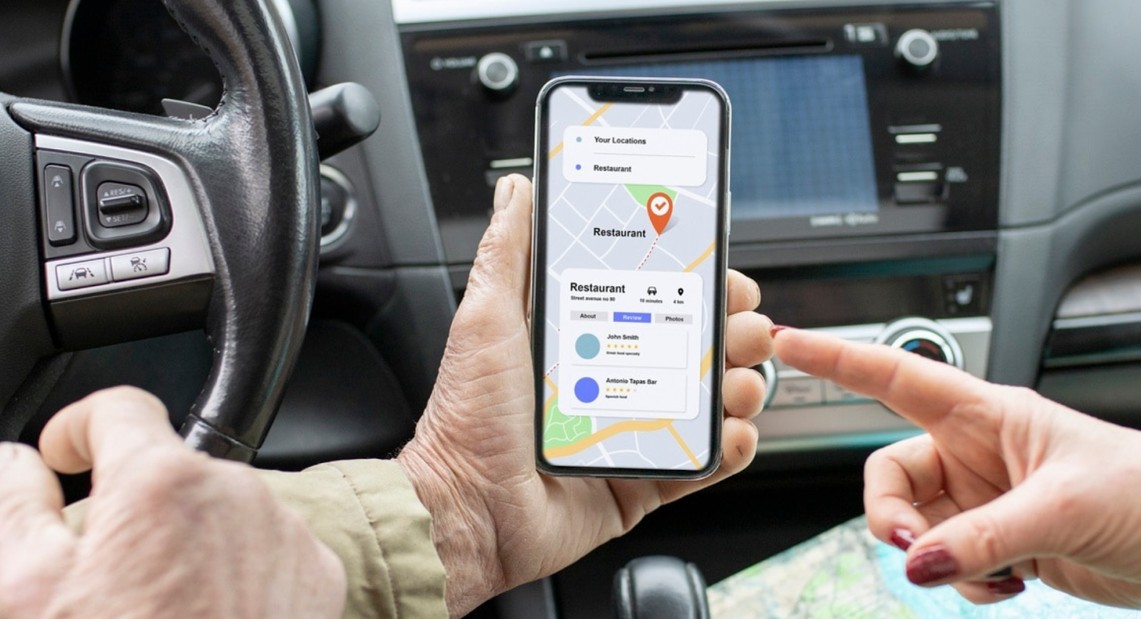
In recent years, the evolution of on-demand travel applications has transformed how people commute, offering travelers a new level of convenience and flexibility. By transforming the daily routines of millions, these platforms have fundamentally changed the landscape of urban transportation. As users increasingly seek fast, frictionless options, transportation app design has become central to delivering seamless experiences for urban dwellers navigating busy cities.
The proliferation of smartphones has enabled commuters to request a ride or plan multi-modal journeys with a single tap. This digital convenience is just one of many factors that have paved the way for the widespread adoption of these applications, which continue to disrupt traditional transportation models and raise new questions around city planning and mobility.
Rise of On-Demand Travel Apps
The rise of on-demand travel apps has disrupted the status quo, altering the transportation landscape in cities across the globe. Market leaders such as Uber and Lyft enabled immediate access to personal transport via smartphone apps, bypassing the conventional hurdles of hailing a cab or waiting for a bus. This ease of access and streamlined experience has proved especially transformative in metropolitan areas, where commuting challenges are most acute. As further proof of the shift, other sectors, including bike-sharing and scooter rentals, have also adopted app-based models.
According to a Pew Research Center report, ride-hailing services have become a staple for many urban residents, with significant numbers reporting regular use. By closing gaps in existing transportation systems, these services are helping decrease the collective reliance on private vehicle ownership in select urban populations. This trend promises improved air quality and reduced parking demand over time.
Integration with Public Transit
On-demand travel apps are not operating in isolation. Many cities are now integrating these agile services with their public transit infrastructures to improve overall mobility and reach underserved areas. For example, the Dallas Area Rapid Transit (DART) GoPass® app merges microtransit options into its service, enabling users to link bus or rail journeys with first- and last-mile solutions. By enabling commuters to plan, book, and pay for entire multimodal trips in a single digital ecosystem, this integration supports a more flexible, inclusive urban transit network.
Technological Advancements
Technological progress has been a driving force behind the adoption and continual improvement of on-demand travel apps. Enhanced GPS tracking, real-time data sharing, and the deployment of secure, cashless payment solutions have smoothed out longstanding friction points. These capabilities have given rise to the Mobility as a Service (MaaS) model, which allows users to coordinate trips across a variety of transport modes, such as buses, trains, bikes, and shared scooters, through a single, unified platform.
Platforms like MaaS Global’s Whim, operating in cities such as Helsinki, exemplify how digitized travel orchestration benefits commuters by prioritizing versatility and convenience. Innovations within the sector continue to accelerate, resulting in smarter route planning and better real-time updates for end users.
Impact on Urban Mobility
On-demand travel apps have had a complex but undeniably influential impact on urban mobility. They offer solutions that reduce the need for individual car ownership, potentially curbing urban congestion and enabling city infrastructure to be used more efficiently. However, a counterpoint revealed through urban studies is that increased ride-hailing adoption can also drive up total vehicle miles traveled, intensifying congestion at peak times and, in some cases, competing with public transit for ridership.
Ultimately, the degree of benefit hinges on how these apps are designed and deployed, as well as their success in complementing conventional transit routes and schedules. Policymakers and transportation leaders must carefully manage their city’s strategies to strike a balance between shared convenience and sustainability objectives.
Challenges and Considerations
Despite significant advancements, on-demand travel apps face considerable challenges. Regulatory complexities such as dynamic fare structures, city-imposed access fees, and airport surcharges can affect affordability and accessibility for everyday users. For instance, cities such as Los Angeles have proposed higher ride-hailing fees at their airports to mitigate congestion and promote greener alternatives.
Another pressing concern is equity. Not all communities have the same level of access to smartphones, bank cards, or fast mobile networks required by these app-centric services. Bridging this digital divide is a key consideration to ensure social inclusion and the democratization of efficient mobility options.
Future Outlook
The prospects for on-demand travel apps remain bright as they continue to evolve to meet the changing needs of urban populations. Innovations such as fixed-route microtransit shuttles for commuters are being piloted in several U.S. cities, offering a middle ground between ride-sharing and standard bus services, particularly during rush hours. Increased collaboration among technology firms, transit authorities, and policymakers is essential to more tightly weave on-demand solutions into the fabric of public transportation networks.
Looking ahead, addressing regulatory and equity concerns will remain crucial. As the sector continues to grow, the ultimate goal will be to create integrated, sustainable, and widely accessible mobility solutions for all city dwellers, driving efficiencies and building healthier urban ecosystems.
On-demand travel apps have created new possibilities for personal mobility, blurring the traditional boundaries between private and public transit. As cities and commuters continue to embrace digital tools, these platforms will remain a key driver in shaping the future of global transportation.
