Smartwatches claim to track heart rate, sleep, stress, and even blood oxygen levels—all from your wrist. But how do they get this data, and how dependable is it? These gadgets employ sensors and algorithms to read information from your body and movement. With an increased interest in self-monitoring and preventative health, it is critical to understand what is going on behind the screen. Whether you’re checking your heart rate after a run or attempting to enhance your sleep quality, understanding how smartwatches measure health allows you to make better use of their capabilities. This guide examines the science, accuracy, and practical applications of wearable health technology.
What Sensors and Data Do Smartwatches Use?
Heart Rate, HRV and Optical Sensors
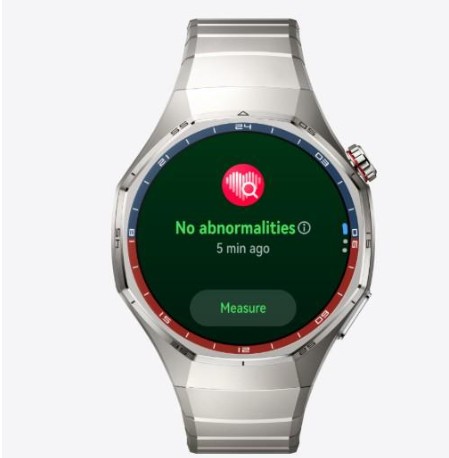
Smartwatches employ photoplethysmography (PPG) to detect heart rate and heart rate variability (HRV). Optical sensors emit light into your skin, detecting variations in blood flow with each heartbeat. HRV measures the duration between beats, providing insights into recovery and stress. Some modern watches also have ECG functions, which monitor electrical activity for more accurate cardiac data. These instruments perform best when the watch fits securely and stays motionless throughout readings. While optical sensors allow continuous tracking, their accuracy varies with mobility, skin tone, and ambient light. Still, they provide useful trends and feedback for anybody interested in heart health.
Accelerometers, Gyroscopes and Movement Tracking
Smartwatches use built-in accelerometers and gyroscopes to track movement. These sensors detect the direction, rotation, and intensity of motion, allowing the watch to identify steps, activity levels, and workouts. Walking, running, and cycling produce unique motion patterns that smartwatches can recognize. Advanced algorithms use mobility data and heart rate to calculate calorie burn and activity zones. Some gadgets additionally have altimeters for tracking height during trekking or stair climbing. While wrist dominance or improper gestures might impair movement recording, these sensors provide a good platform for daily fitness monitoring and goal setting.
Oxygen Saturation, Sleep and Other Metrics
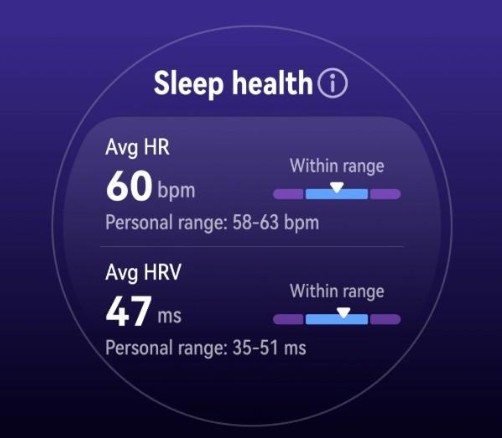
Smartwatch pulse oximeters detect blood oxygen (SpO2) levels by measuring light absorption in capillaries. This assists in detecting respiratory problems or sleep difficulties. Sleep tracking estimates sleep stages—light, deep, and REM—using motion sensors, heart rate, and, in certain cases, SpO2. Some watches use temperature sensors or skin conductivity to determine stress levels. Newer versions even monitor respiratory rates and hydration levels. These traits provide valuable glimpses of overall health, but they may not be medically precise. They are most useful when used consistently, indicating patterns rather than specific statistics. Together, these instruments give a comprehensive picture of physical and mental health throughout time.
How Accurate Is the Health Data from Smartwatches?
Strong Performance: Steps, Heart Rate, Activity
Smartwatches are effective in measuring steps, overall activity, and heart rate during exercise. Most step counts are more than 90% accurate in regular walking settings. Continuous heart rate monitoring works well during constant activities like running or walking. When GPS and heart rate are taken into account, movement-based metrics such as distance and calorie burn become more exact. Most customers looking for insights into their regular activities will find these capabilities suitable. For those learning how to start running, this data provides helpful guidance on pace, distance, and progress. While not ideal, they provide consistent feedback for goal setting and progress tracking. These high-performance features are useful tools for both fitness fanatics and casual users to maintain an active, healthy lifestyle.
Weak Spots: Sleep, Stress, Blood Pressure & Glucose
Some smartwatch metrics lag in accuracy. Sleep monitoring estimates may differ from medical-grade instruments, particularly in detecting deep and REM periods. Stress assessments sometimes rely on indirect indicators such as heart rate variability, which do not necessarily reflect true stress levels. Blood pressure features are experimental and have limited reliability without calibration. Non-invasive glucose monitoring is still in its early stages and not yet accessible in most consumer devices. These features may provide general trends, but they are not intended to substitute for medical tests. Users should consider them generic signs rather than an exact diagnosis. Manufacturers continue to improve these technologies.
Factors That Affect Accuracy (Fit, Skin Tone, Motion)
A variety of external factors influence the accuracy of smartwatches. A loose or improperly positioned watch can distort readings, especially during strenuous exercise or sleep. Optical sensors may operate differently across skin tones due to differences in light absorption and reflection. Excessive wrist motion can potentially mislead sensors, causing inaccuracies in heart rate or step counts. Environmental factors such as illumination, temperature, and water exposure also influence data gathering. Choosing a well-fitted band, wearing the gadget appropriately, and keeping the firmware up to date all contribute to enhancing performance. Understanding these variables enables users to better evaluate wristwatch data and avoid taking incorrect conclusions from irregular outcomes.
How Should You Use Smartwatch Health Tracking for Your Benefit?
Setting Realistic Goals and Understanding the Data
Use smartwatch data to develop specific, attainable health objectives. Monitor baseline data such as average steps, resting heart rate, and sleep duration. Then set reasonable goals, such as walking 8,000 steps each day or increasing sleep by 30 minutes. Do not become overwhelmed by every data point. Concentrate on patterns and stability rather than daily changes. Most health applications include graphs and summaries to help you track your progress and identify areas for improvement. Use notifications and reminders to keep on target. When you understand what the numbers represent and how they vary over time, you can use smartwatch feedback to motivate long-term behavior change.
Integrating Data with Lifestyle Habits (Sleep, Exercise, Recovery)
Smartwatch data is most effective when paired with intentional lifestyle decisions. Use sleep insights to modify bedtime practices or limit caffeine use later in the day. Monitor heart rate recovery after exercises to prevent overtraining and promote fitness improvements. Activity rings or movement reminders can help break up lengthy periods of sitting and promote physical breaks. Combining heart rate zones with cardio or interval training improves exercise effectiveness. Rest days can be justified more easily using recovery ratings or tiredness alarms. By synchronizing health data with everyday routines, users may make tiny, educated changes that improve their energy, exercise, and general well-being.
Conclusion
Smartwatches provide a convenient and user-friendly approach to monitoring health, managing behaviors, and remaining motivated. They use sensors such as heart rate monitors, accelerometers, and sleep trackers to deliver real-time data on your body’s performance. While certain capabilities, such as step counting and active heart rate tracking, are quite precise, others, are still under development. Understanding the data’s strengths and limits is critical. Use your smartwatch as a guide rather than a diagnostic tool. When combined with realistic objectives and focused lifestyle choices, smartwatch health tracking becomes an invaluable tool in your wellness path. Trust the patterns, listen to your body, and maintain consistency over time.