

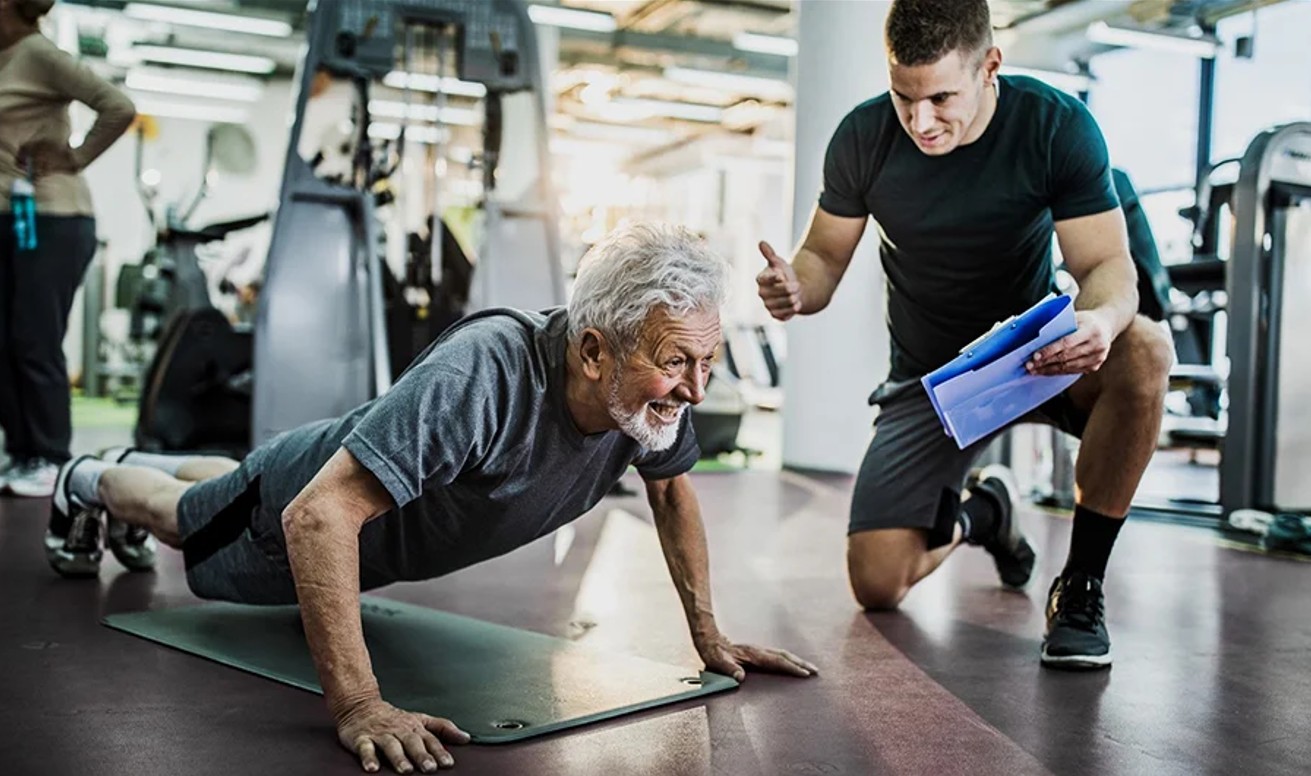
Understanding the Unique Needs of Older Clients
The landscape of fitness for older adults is often shaped by unique health considerations, including chronic pain, decreased bone density, limited mobility, and cardiovascular challenges. Personal trainers must approach this demographic with sensitivity and a tailored focus, considering common conditions such as arthritis, osteoporosis, or diabetes. These factors shape each client’s starting point and emphasize safe, adaptive exercise routines over one-size-fits-all solutions.
As outlined by Alexandra Chipurnoi, a thoughtful understanding of the interplay between aging and physical activity is foundational for developing effective personal training strategies. This approach ensures older clients receive both motivation and meaningful guidance, creating a fitness journey that is individually supportive and respects ongoing health challenges.
Benefits of Exercise for Managing Chronic Pain
Consistent physical activity has consistently shown its ability to reduce chronic pain symptoms and support overall wellness in older adults. Exercise increases muscular strength, improves joint flexibility, and aids in the release of endorphins—natural bio-chemicals that act as pain relievers. Especially for conditions like osteoarthritis, structured movement offers improved mobility and decreased discomfort when performed in a targeted and respectful manner.
The National Institute on Aging notes that tailored exercise plans can help reduce pain, enhance function, and improve quality of life in mature adults with ongoing health issues. Gentle resistance training, stretching, and low-impact cardiovascular exercises are particularly recommended for their advantages in managing musculoskeletal pain and nonspecific chronic discomfort without worsening symptoms. For further reading, see the National Institute on Aging’s guide on exercising with chronic conditions.
Staying consistent is key, as the positive effects of exercise tend to build over time with regular practice. Support from healthcare providers or fitness professionals can further ensure safety, effectiveness, and long-term adherence to a suitable progra.
Designing Individualized Exercise Programs
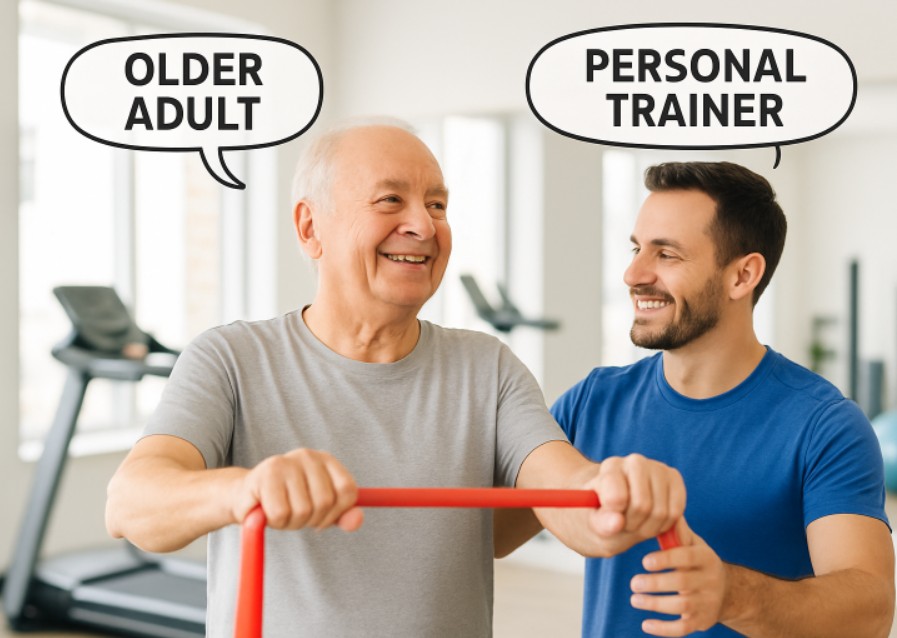
The cornerstone of effective training for older adults is a program that is not only customized to each client’s health profile, but also adaptable to changes over time. A comprehensive assessment should review a person’s medical history, current abilities, and personal fitness goals. This ensures the formation of an inclusive exercise regimen that might blend aerobic activity (such as brisk walking), strength training (using bands or light weights), flexibility exercises (like yoga), and balance work. For individuals experiencing severe joint pain, aquatic exercises or chair-based routines can provide benefits with minimal strain.
Key Elements of a Safe and Effective Program
-
Low-impact aerobic activity (walking, swimming, cycling)
-
Progressive resistance training to limit muscle loss
-
Gentle stretching to maintain or improve flexibility
-
Balance exercises to reduce the risk of falls
Incorporating Technology to Enhance Training
Modern technology plays a pivotal role in empowering both trainers and clients to stay motivated, accountable, and safe. Wearable activity trackers, smartwatches, and virtual physical therapy tools now enable precise tracking of daily steps, heart rate, and workout intensity. Real-time feedback supports prompt adjustments, ensuring exercises remain within the client’s capabilities.
Addressing Psychological Barriers to Exercise
Many older adults experience psychological hurdles such as fear of falling, anxiety about pain, or the belief that exercise is unsafe at a later age. Personal trainers must approach these concerns with empathy, education, and the use of motivational interviewing. Setting realistic and achievable goals, and celebrating milestones—no matter how small—can foster lasting engagement. Social interaction, encouraging feedback, and sharing evidence of improvements all foster confidence and counteract exercise reluctance.
Monitoring Progress and Adjusting Plans
Tracking a client’s pain level, mobility, strength, and balance throughout their fitness journey is essential for adapting the program as progress is made (or setbacks occur). Routine reassessments help ensure exercises remain relevant, challenging, and safe. Making incremental changes based on regular feedback fosters trust and maintains high motivation. The physical improvements can also be paired with positive behavioral changes for sustained lifestyle transformations.
Collaborating with Healthcare Professionals
Effective personal trainers actively collaborate with the client’s healthcare team, including doctors, physiotherapists, and occupational therapists. This interdisciplinary approach ensures all facets of a client’s health are considered, and risks are minimized. Clear communication about diagnoses, physical limitations, and therapeutic recommendations guides safe exercise selection and progression. Such alliances are particularly valuable for clients with complex or fluctuating health issues.
Promoting Long-Term Engagement in Physical Activity
Long-term adherence to exercise is influenced by enjoyment, social support, and a sense of meaningful achievement. Trainers can encourage older adults to view fitness as a positive lifestyle choice by introducing activities tailored to personal interests and integrating social elements—such as group walks, dance classes, or online fitness communities. Recognition of progress and public celebration of health milestones can help reinforce ongoing participation and inspire others within the client’s circle.
